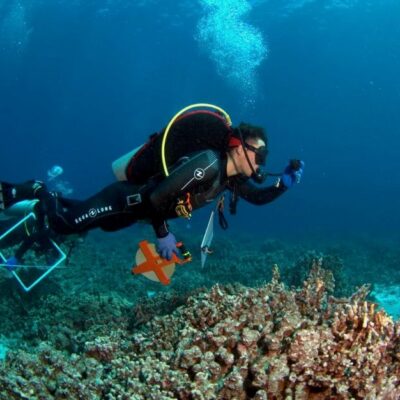
Where Marine Science Connects
From the center of the Pacific, HIMB's dynamic research community is a hub for ocean solutions. Marine biologists from Hawaiʻi and around the globe come to HIMB to learn and lead careers of impact. Our research extends from our living laboratory on Moku o Loʻe to communities here and around the world.
Research Excellence
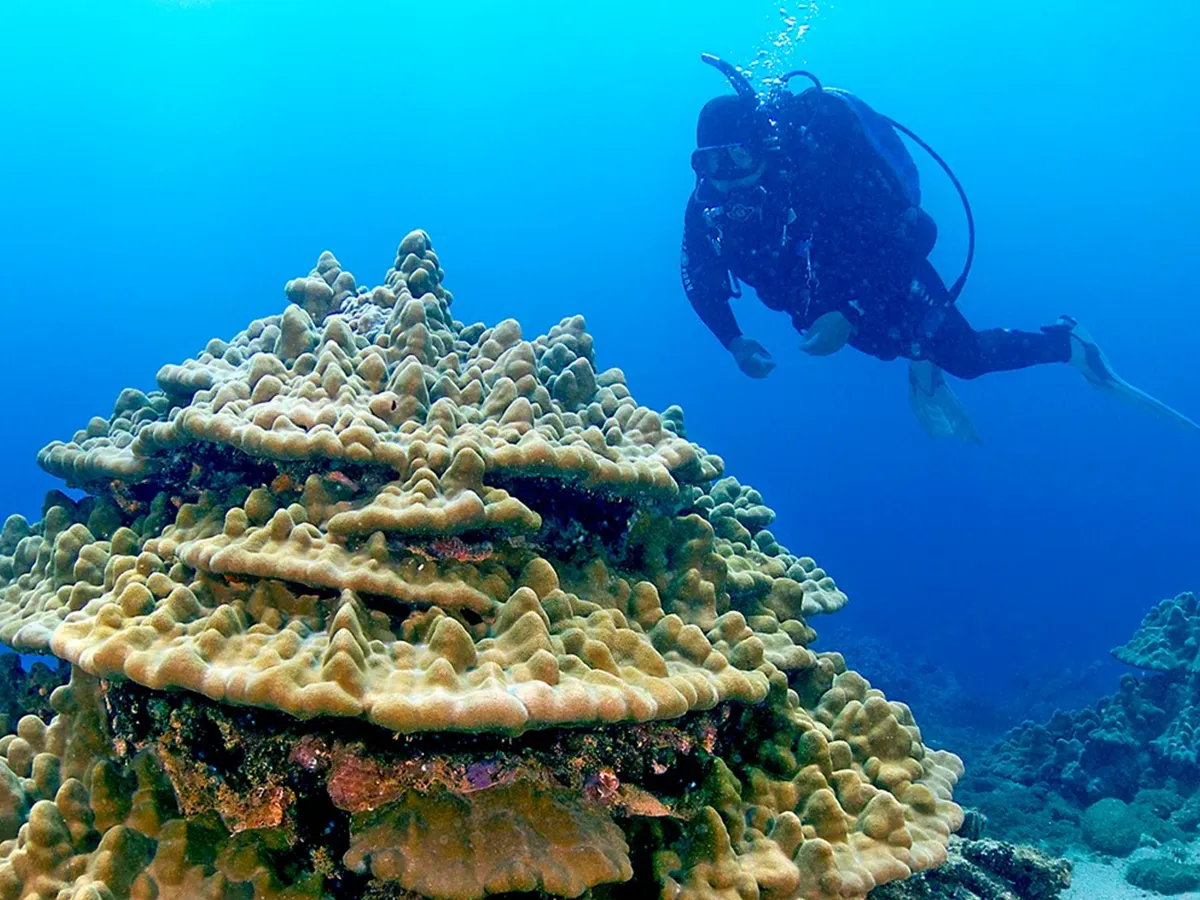
HIMB advances fundamental research and develops new technologies to address the challenges facing Hawai‘i, the Pacific, and the world’s oceans. Our community of over 200 faculty, staff, and students transform local research into global solutions.
Transformative Education
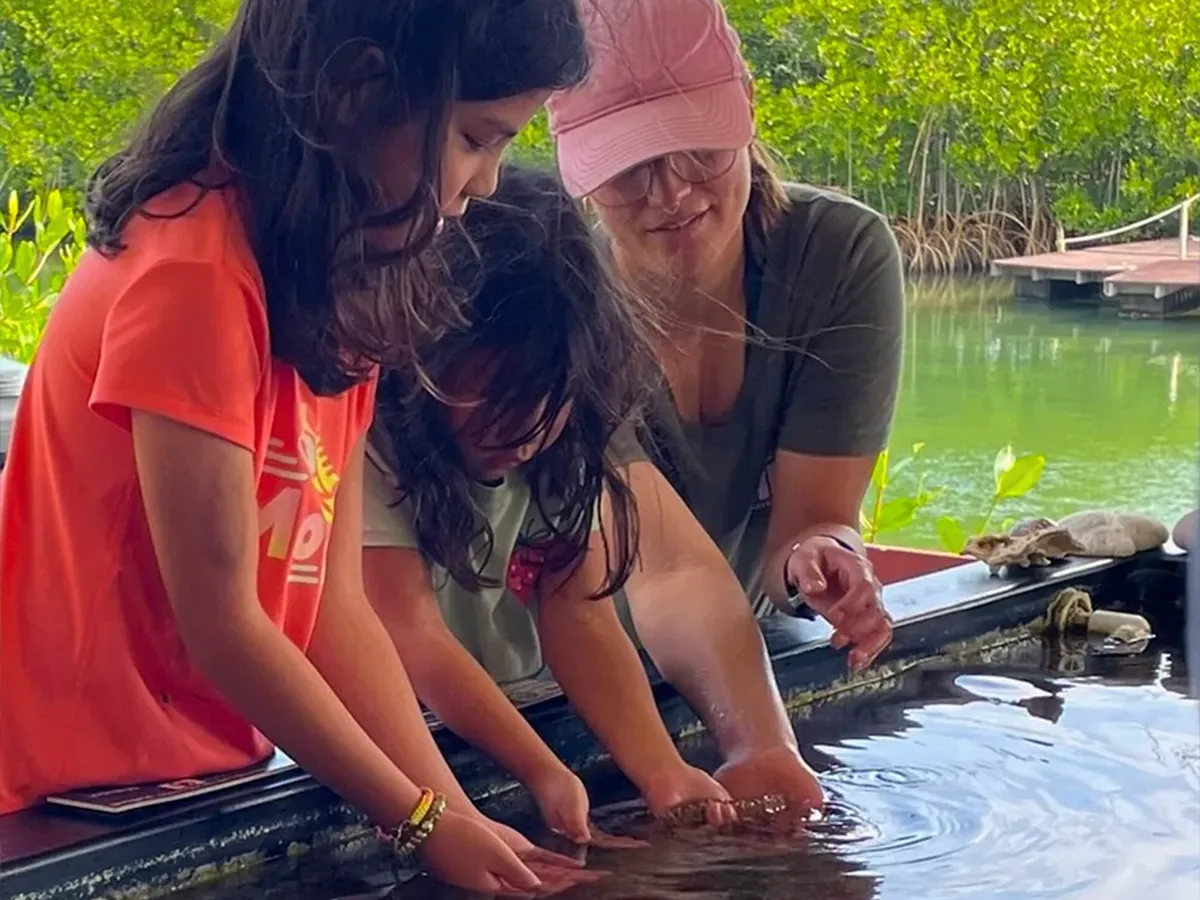
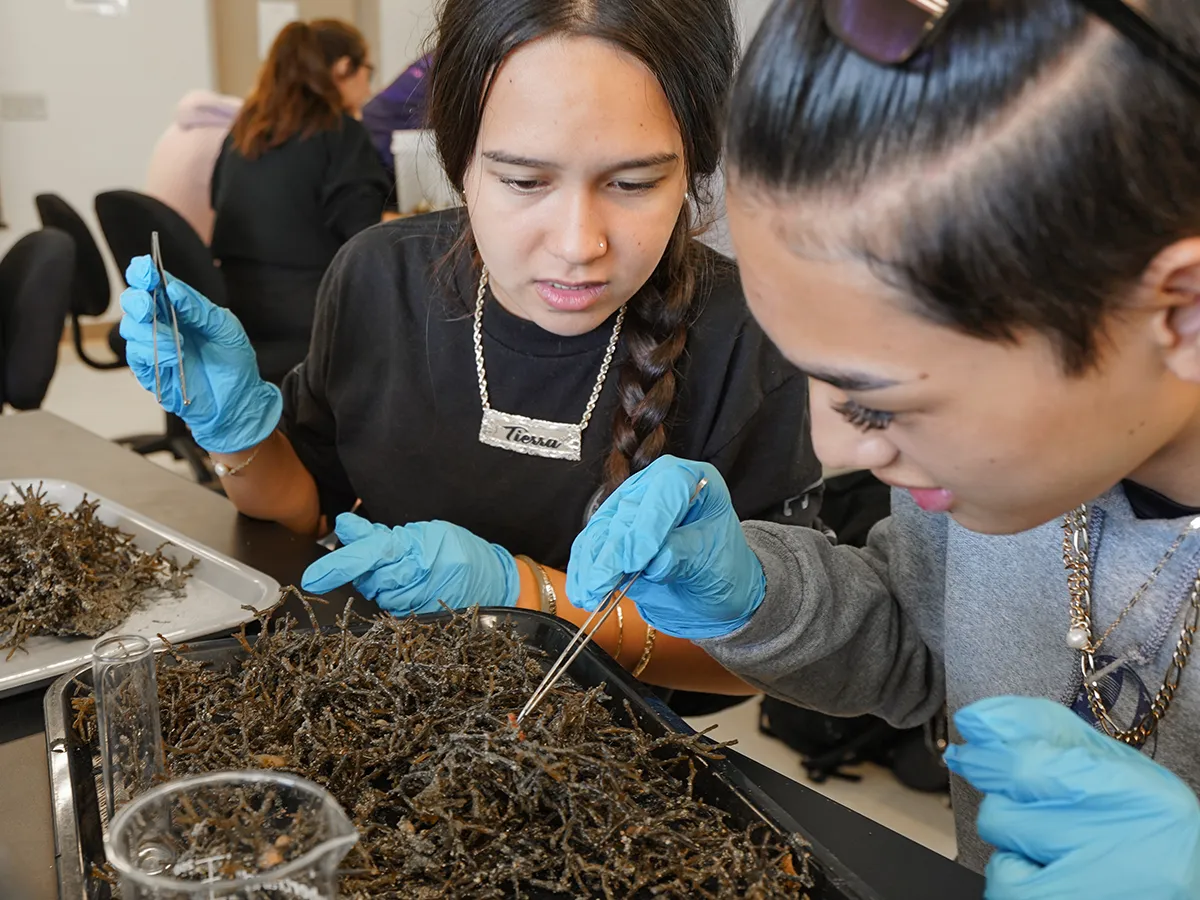
Surrounded by a living coral reef and diverse marine life, HIMB offers a learning environment like no other. Our education pathways connect students, educators, and community members with our research, sparking curiosity and opening doors to marine science. From grade school to graduate studies, we’re inspiring the next wave of ocean stewards.
Island Stewardship
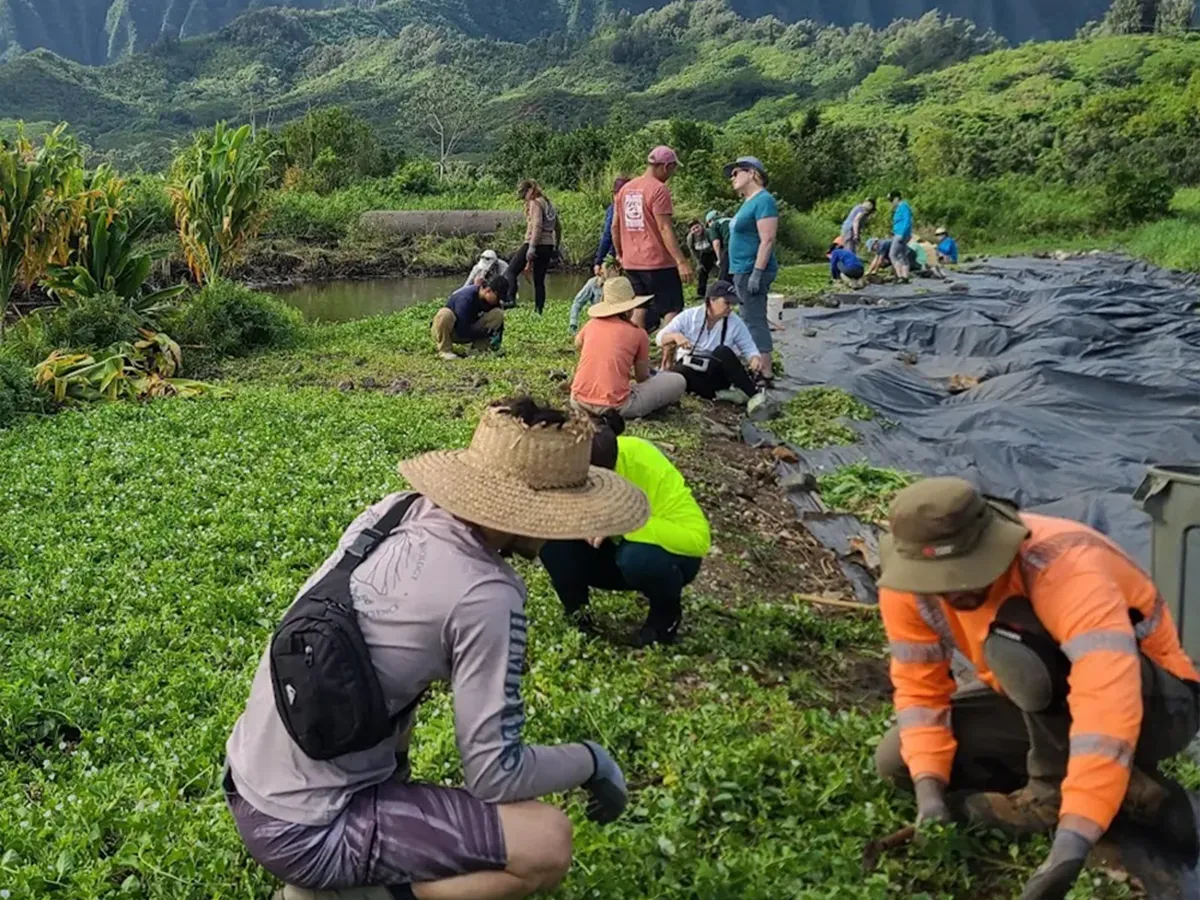
HIMB forges and fosters partnerships with coastal communities. Our research extends from mauka (ridge) to makai (reef). From shared bodies of knowledge, we find strategies for sustaining our coastal resources, and we are piloting programs to inspire other island communities to do the same.
Grounded in Place
HIMB is an organized research unit of the University of Hawai‘i at Mānoa, located on the island of Moku o Lo‘e and surrounded by a living coral reef in Kāne‘ohe Bay. Boarding our shuttle boat to reach the island is an invitation to connect with and mālama (care for) ‘āina (land, that which feeds). This responsibility is intrinsic to our work in Hawai‘i and study sites worldwide.
One Ocean. Global Solutions.
Nature-Based Solutions
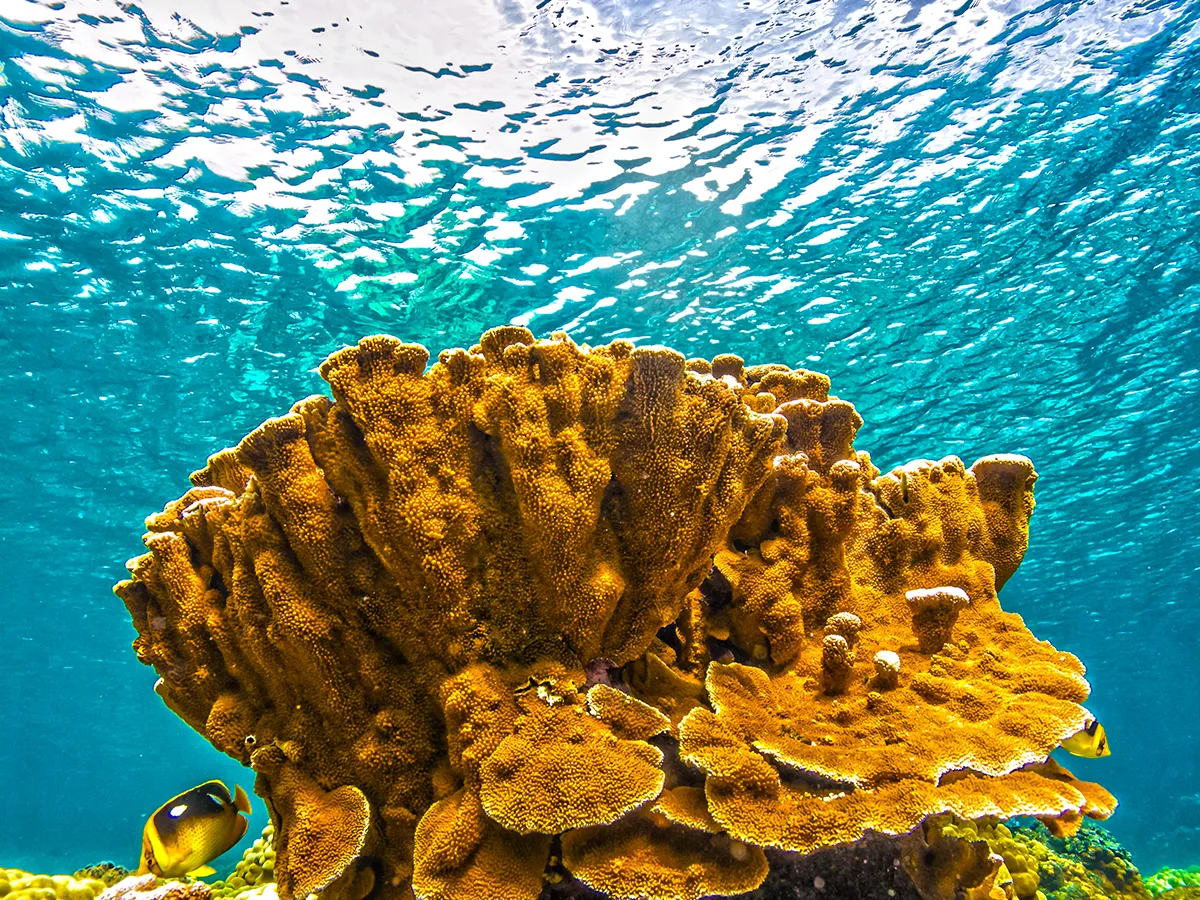
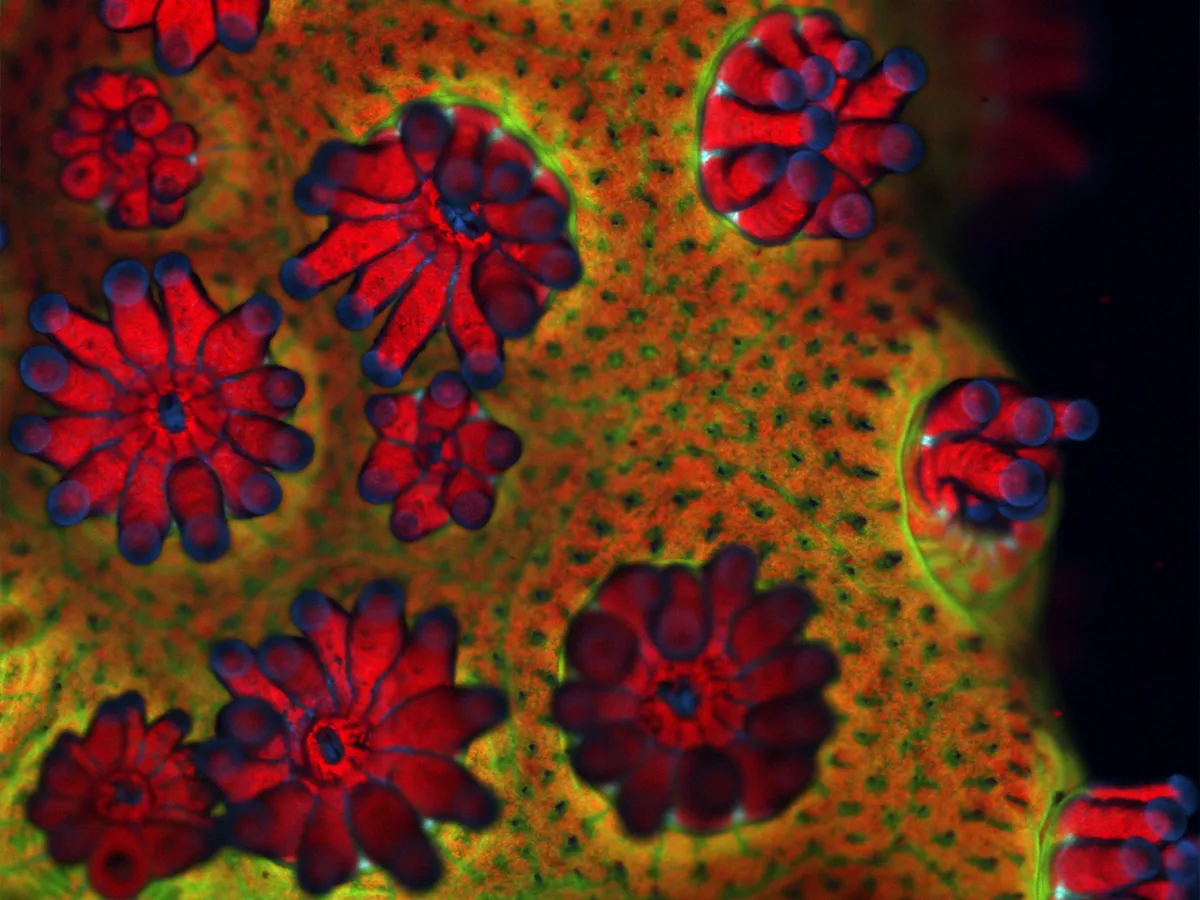
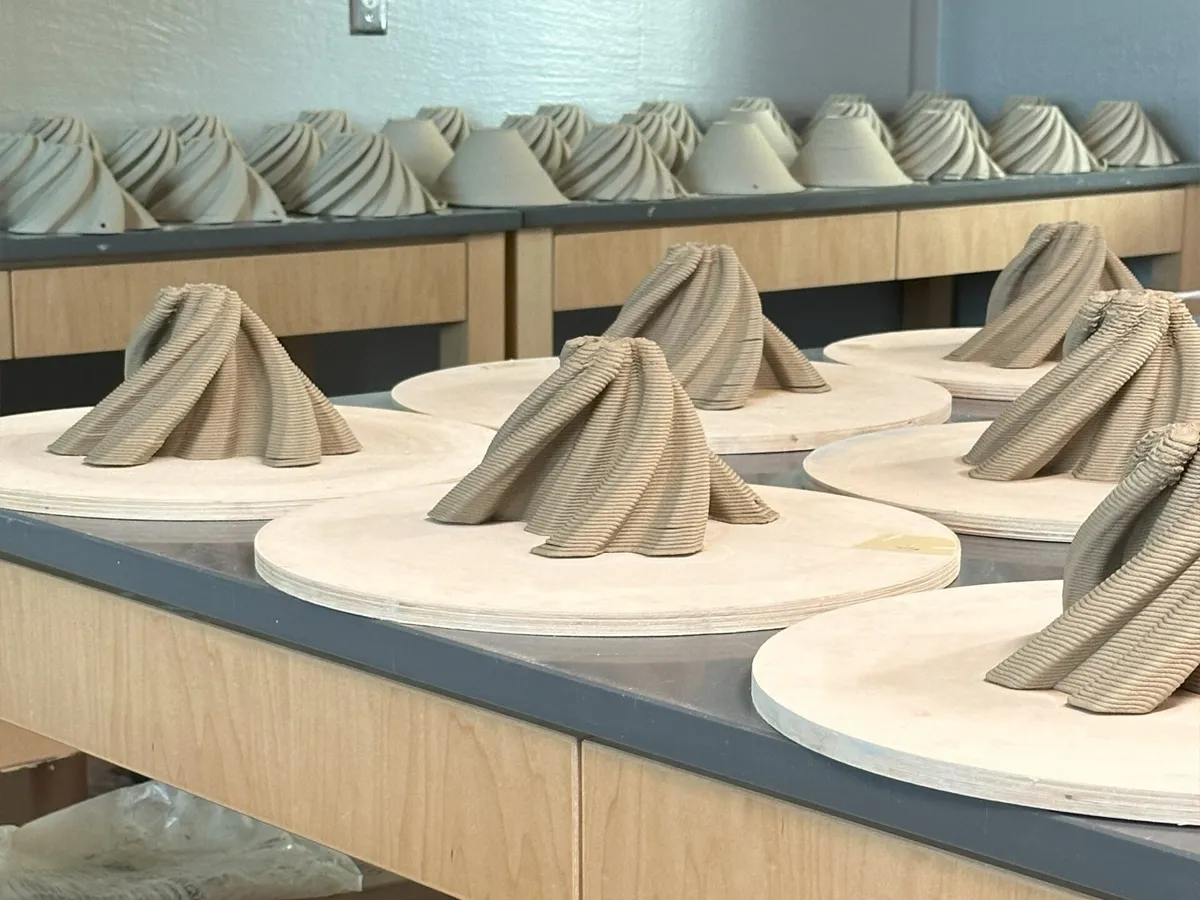
HIMB advances coral and coastal resilience through research on thermal tolerance in corals, effectiveness of reef restoration, and the coastal protection that reefs provide. Our researchers develop innovative technologies like 3D-printed settlement structures and explore nature-based coastal defense. HIMB advances our foundational understanding of corals, coral reefs and their roles in coastal resilience, developing solutions to protect and conserve reefs in the face of climate change and other human impacts.



Happening At HIMB
Go behind the scenes and experience the breakthroughs, stories, and news coming out of our HIMB ‘Ohana.
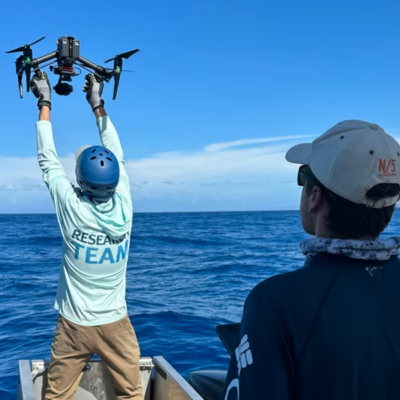
Tagging whales from the sky: New methods revolutionize research
Marine Mammal Research Program (MMRP) scientists are taking science to new heights by using drones to attach noninvasive suction-cup tags to humpback whales.

Hawaiʻi’s Corals Were Struggling To Survive. Then Came The Mud Floods

HPU Hosts Symposium that promotes dialogue about evidence-based evaluation of genki balls
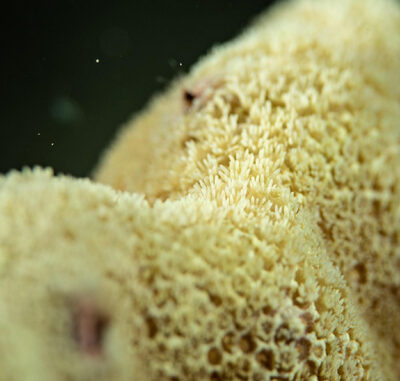
Human activities compromise coral health, resilience in Maui waters
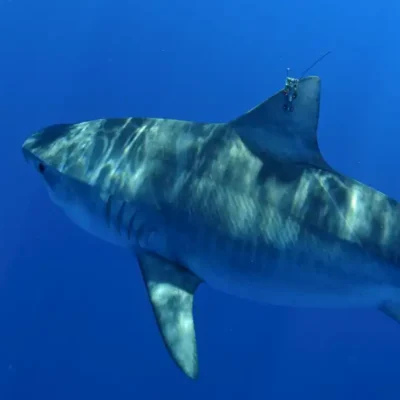
Hawaii’s sharks could provide data to weather models with satellite tags