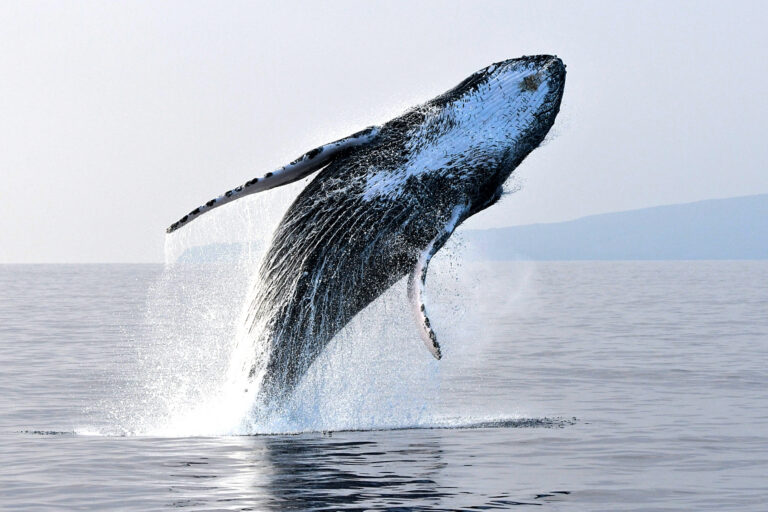
Science and Storms: Recapping MMRP’s 2026 Maui Field Season
Braving record rainfall and "Kona lows," researchers successfully used drone-integrated tagging technology to capture unprecedented data on humpback whale health and behavior in Maui Nui. This eight-year longitudinal study combines high-tech measurements with dramatic field observations to help scientists predict how these iconic marine mammals will navigate a rapidly changing climate.


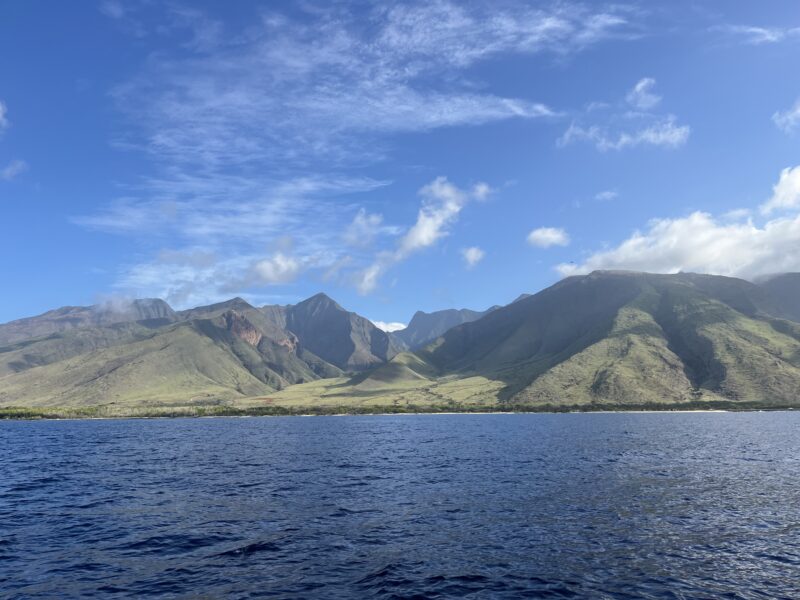
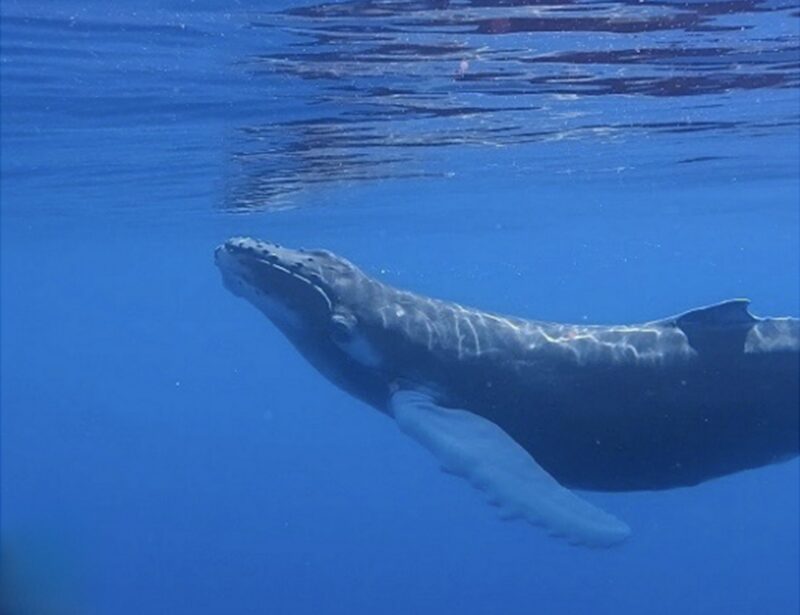
Each winter, the waters of Maui Nui transform into a bustling hub for humpback whales (koholā) returning to their breeding grounds. For the HIMB Marine Mammal Research Program (MMRP), this marks the start of an intensive field season focused on understanding how these magnificent animals respond to a changing climate. The 2026 season was a true testament to teamwork, proving that even “Kona lows” and record-breaking rainfall couldn’t dampen the spirit of scientific discovery.
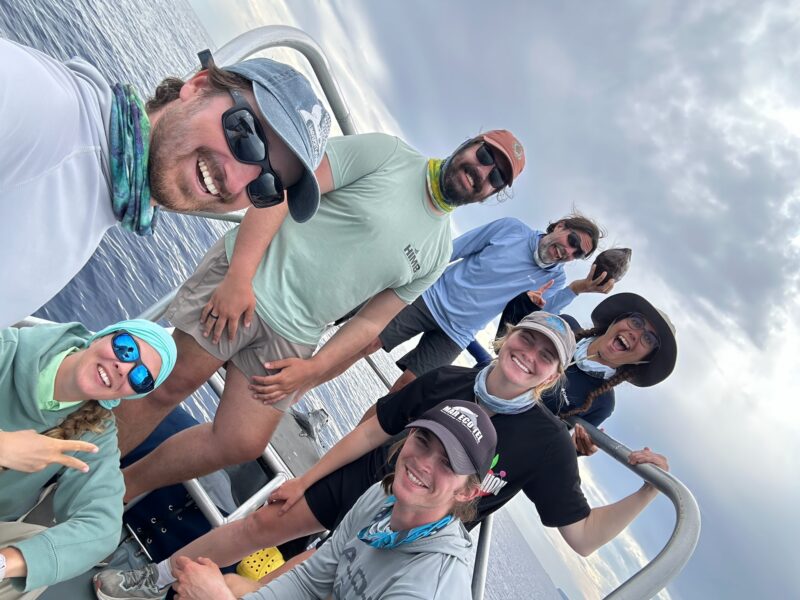
Despite a challenging March that saw 130 cm of rain and severe flooding across Maui, the team maximized every moment of clear weather. Over 48 days on the water, the crew achieved over 1,500 drone-based body condition measurements and 24 successful biologging tag deployments. A major technical milestone this season was the successful integration of drone-based deployment for Customized Animal Tracking Solutions (CATS) tags. This non-invasive technique allows researchers to selectively tag individuals in specific social roles—such as primary escorts or singers—minimizing vessel-related disturbance while maximizing the precision of energetic expenditure data.
“Watching this technique come together has been an exciting step forward for our work,” says Ph.D. student Lewis Evans. “Using drones to deploy tags allows us to be far more selective in which individuals we tag, creating new opportunities to understand how different behavioral roles shape energy use on the breeding grounds.”
“Our humpback whale health database, comprising 14,000 measurements of 8,500 individual whales, becomes even more powerful when used in conjunction with fine-scale behavior and movement data from biologging tags,” explains HIMB Professor Lars Bejder, who directs MMRP. “This work forms the basis for future studies investigating the energetic demands on humpback whales and how they respond to our shifting oceans.”

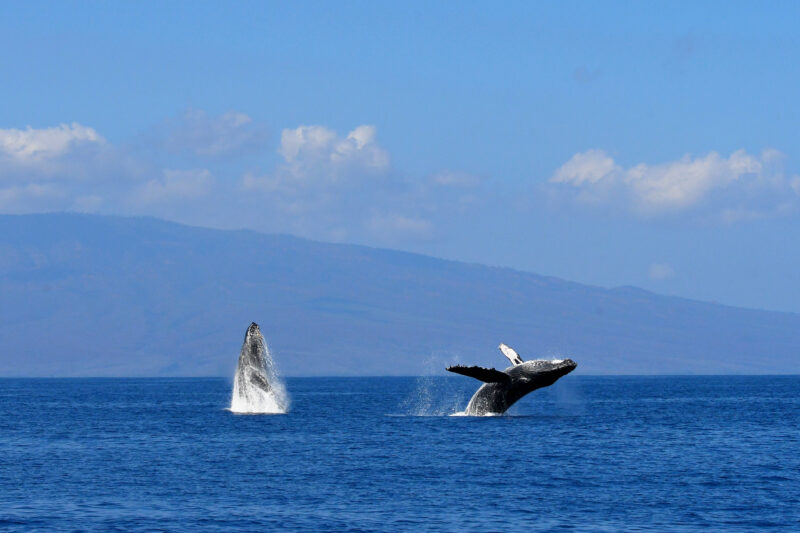
The season was also defined by unforgettable encounters. The team witnessed a massive “competition group” of 17 males vying for a single female and a memorable interspecies interaction where a humpback mother displayed protective instincts as her calf socialized with a bottlenose dolphin calf. Now in its eighth consecutive year, this longitudinal study continues to build a robust dataset, tracking the life histories of individuals like “Arpeggio”—a whale measured 21 times since 2019. By integrating these field observations into advanced physiological models at HIMB, the team is identifying the specific health and energy thresholds required for humpbacks to successfully reproduce and thrive amidst a rapidly changing marine environment.
This research program is a Strategic Partnership with the Alaska Whale Foundation. This season, we are particularly grateful for the support from the US Navy’s Living Marine Resources (LMR) program, the Office of Naval Research (ONR), and DoD’s Defense University Research Instrumentation Program, Dolphin Quest (DQ). We are grateful to philanthropic donations made by JP and Dalia Maheu, Benjy Garfinkle, Kristin and Larry Link, and Paul and Elle Stephens.
Check out the MMRP field blog for videos and photos