In Focus
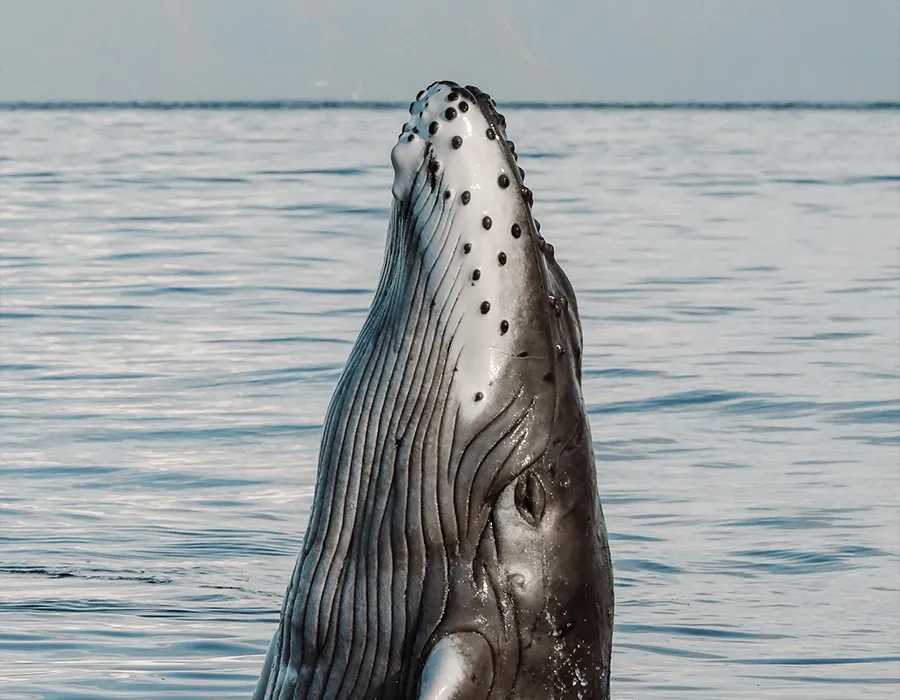
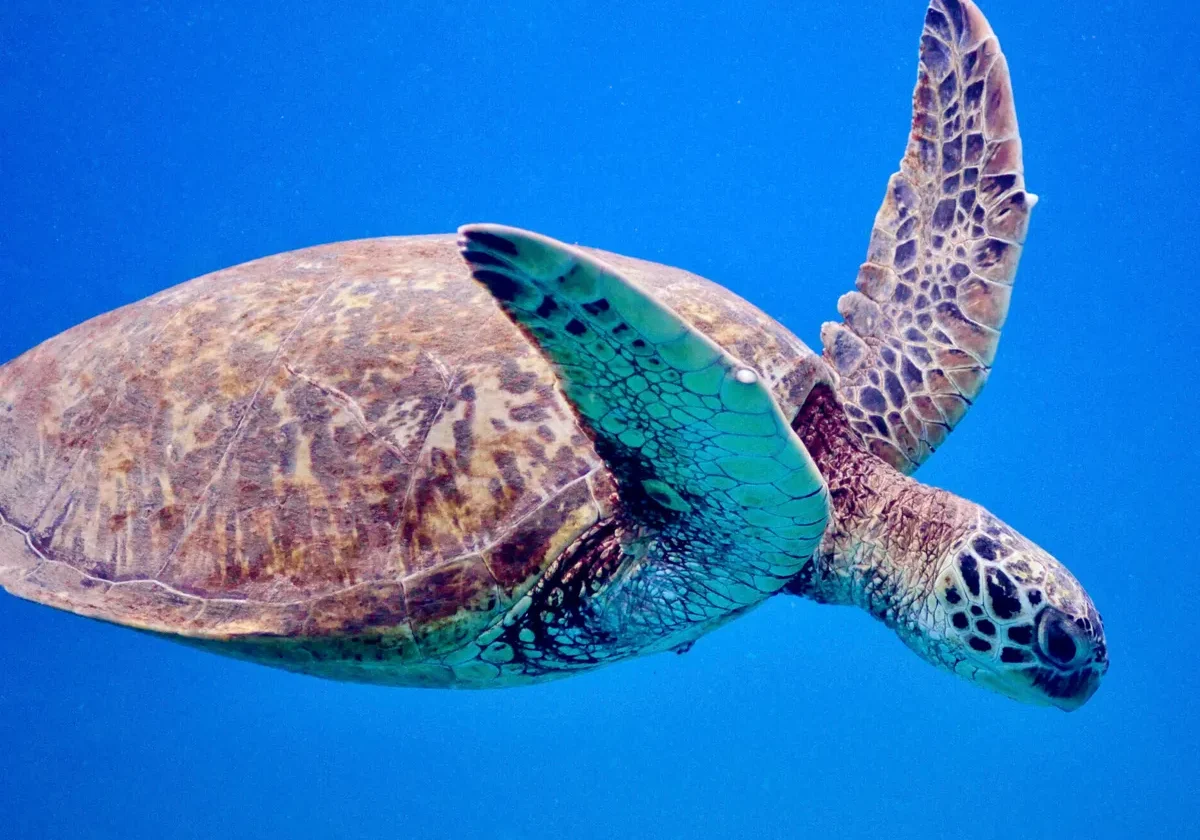
At the Hawai‘i Institute of Marine Biology (HIMB), the study of marine megafauna—from humpback whales and dolphins to sea turtles and sharks—provides a window into the health of the entire ocean ecosystem. These animals are powerful "sentinels" for a changing planet, acting as natural, mobile sensors that provide real-time data on the shifting conditions of the marine environment. Their movements, foraging behaviors, and even their physiology respond directly to changes in ocean temperature, chemistry, and food availability, offering an early warning system for a warming planet. By tracking their lives and the challenges they face, HIMB researchers are able to diagnose the broader impacts of climate change on a global scale.
HIMB’s megafauna labs are made up of scientists who combine fieldwork, technology, and modeling to understand how some of our most charismatic species live and interact with their environment. Using tools that include drones, animal-borne tags, acoustic monitoring, satellite imagery, genetics, and automated image analysis, our teams investigate population abundance, distribution, energetics, and health across Hawai‘i and beyond. Together, these approaches provide a powerful lens on how top predators and long-lived species connect ecosystems, revealing the resilience and vulnerability of the ocean.
By integrating expertise across taxa and techniques, HIMB’s megafauna group provides science that not only deepens our understanding of marine life, but also informs conservation and management strategies essential for sustaining ocean biodiversity.
Inspiring Science
The latest research from HIMB.
Research Labs
Loading
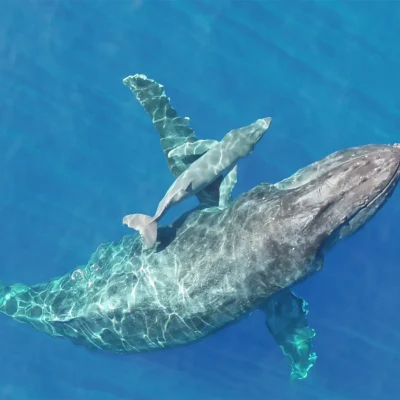
Marine Mammal Research Program
Our research focuses on marine mammals and other marine megafauna.
Led by Lars Bejder
Explore The Lab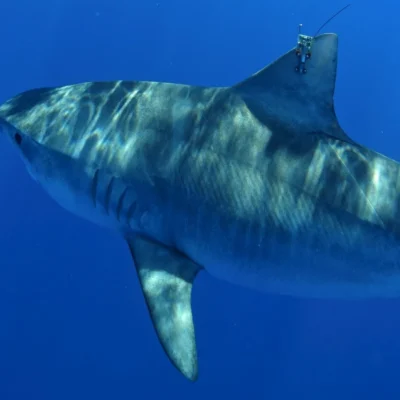
Shark and Pelagic Fisheries Research Group
We focus on studying the behavior, sensory physiology and movement patterns of sharks and other fishes, especially pelagic species. This is accomplished through a combination of laboratory and field experiments.
Led by Kim Holland
Explore The LabLatest News & Research
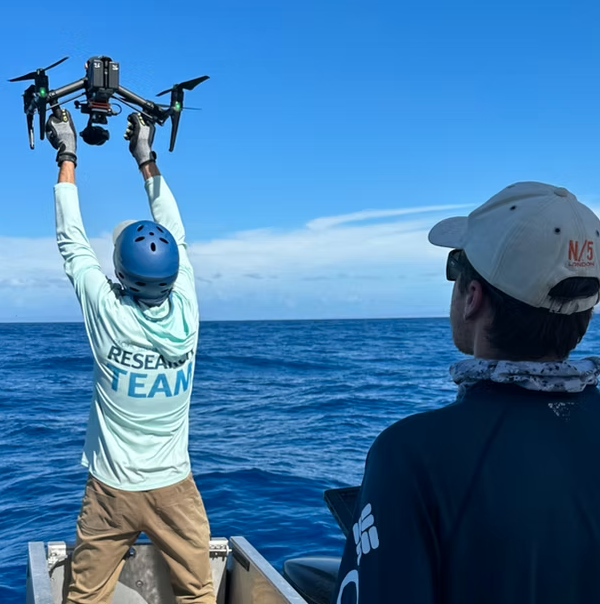
Tagging whales from the sky: New methods revolutionize research
August 02, 2026
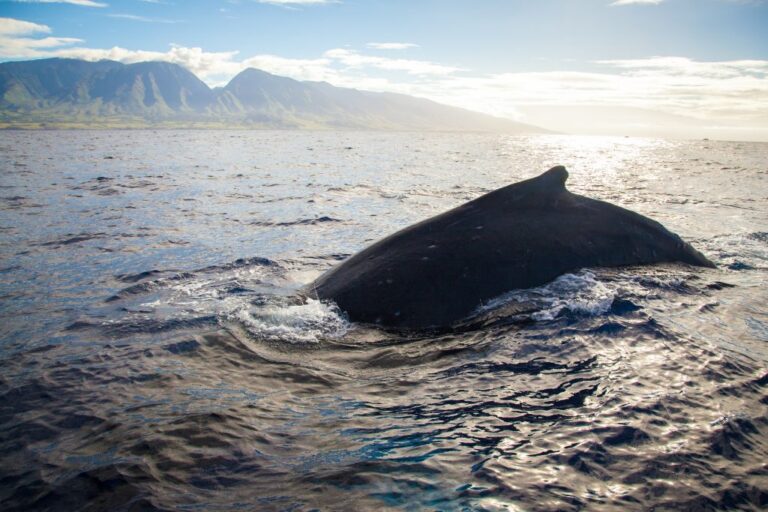
Do humpback whales fertilize Hawaiian waters? Maui study tests the “Whale Pump”
July 02, 2026

Hawaiʻi’s endangered false killer whales show signs of nutritional stress
June 05, 2026
Support the next wave of marine science
Our research is advancing and evolving to meet the needs of our changing world. We invite you to join us in curiosity, discovery, learning, and stewardship.