Guided by respected elders in our community
The Kūpuna Council of the Heʻeia National Estuarine Research Reserve (NERR) – comprised of community elders with lineal descent to the ahupuaʻa of Heʻeia and Kāneʻohe – provides advice and guidance on stewardship and research activities that happen within the ahupuaʻa, including on Moku o Loʻe. We are grateful for their generosity, their time, and their wisdom.
Our Kuleana In A Rapidly Changing Climate
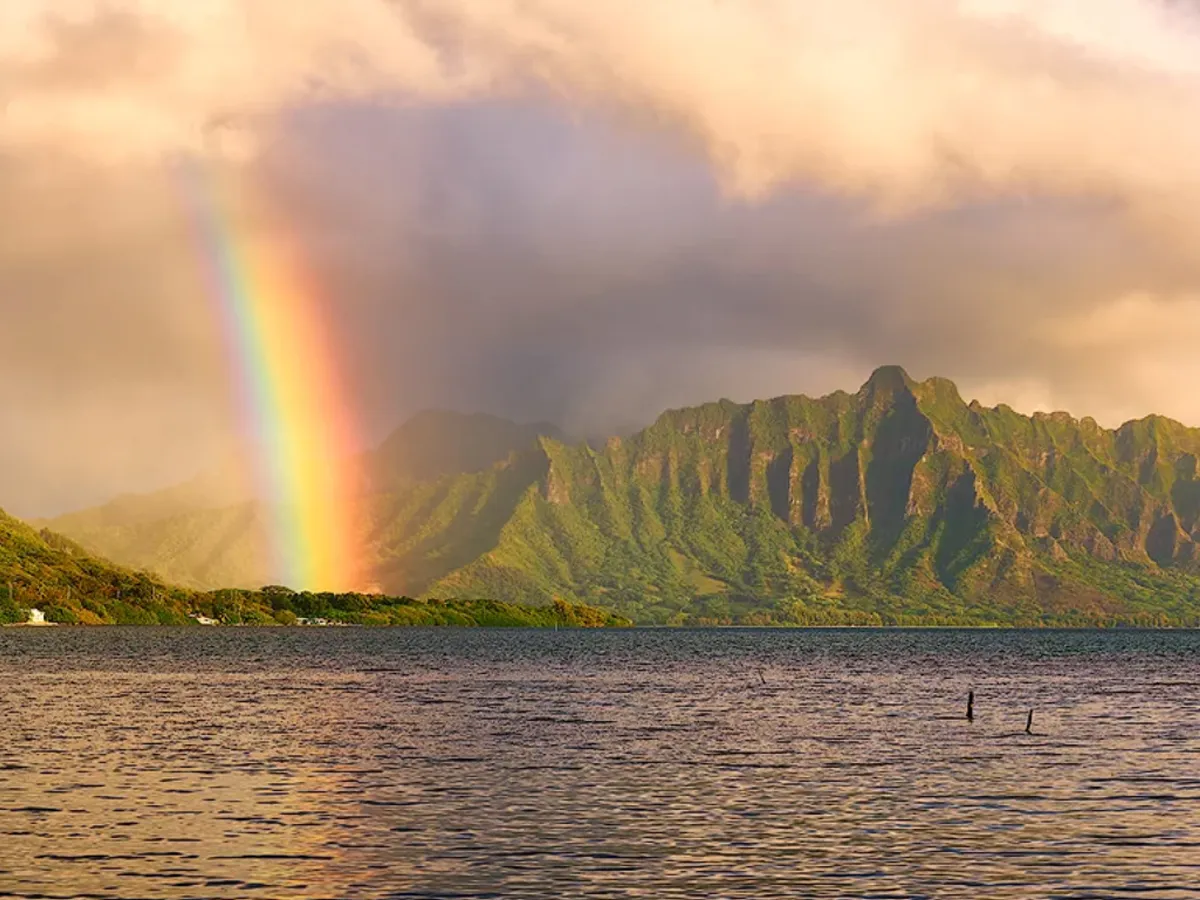
As the world rapidly changes, HIMB advances local resilience through cutting-edge research and restoration efforts. We simultaneously contribute to understanding and protecting vulnerable marine ecosystems worldwide.
Laulima Days: Many Hands to Steward ‘Āina
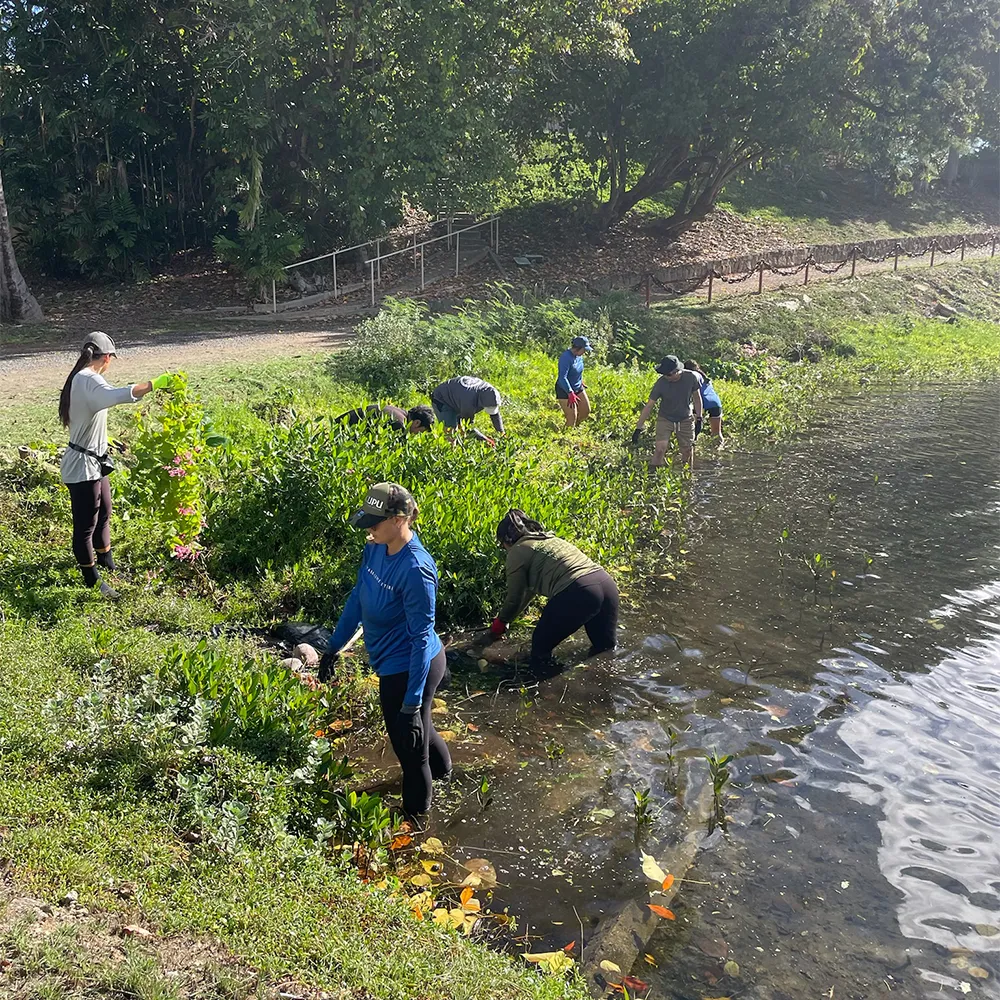
He‘eia National Estuarine Research Reserve (NERR), in partnership with HIMB, hosts weekly “Laulima“ volunteer opportunities for our network, where we gather to lend our hands towards biocultural restoration efforts with our partners in the ahupua‘a of He‘eia.
The Mālama ‘Āina Plan for Moku o Lo‘e
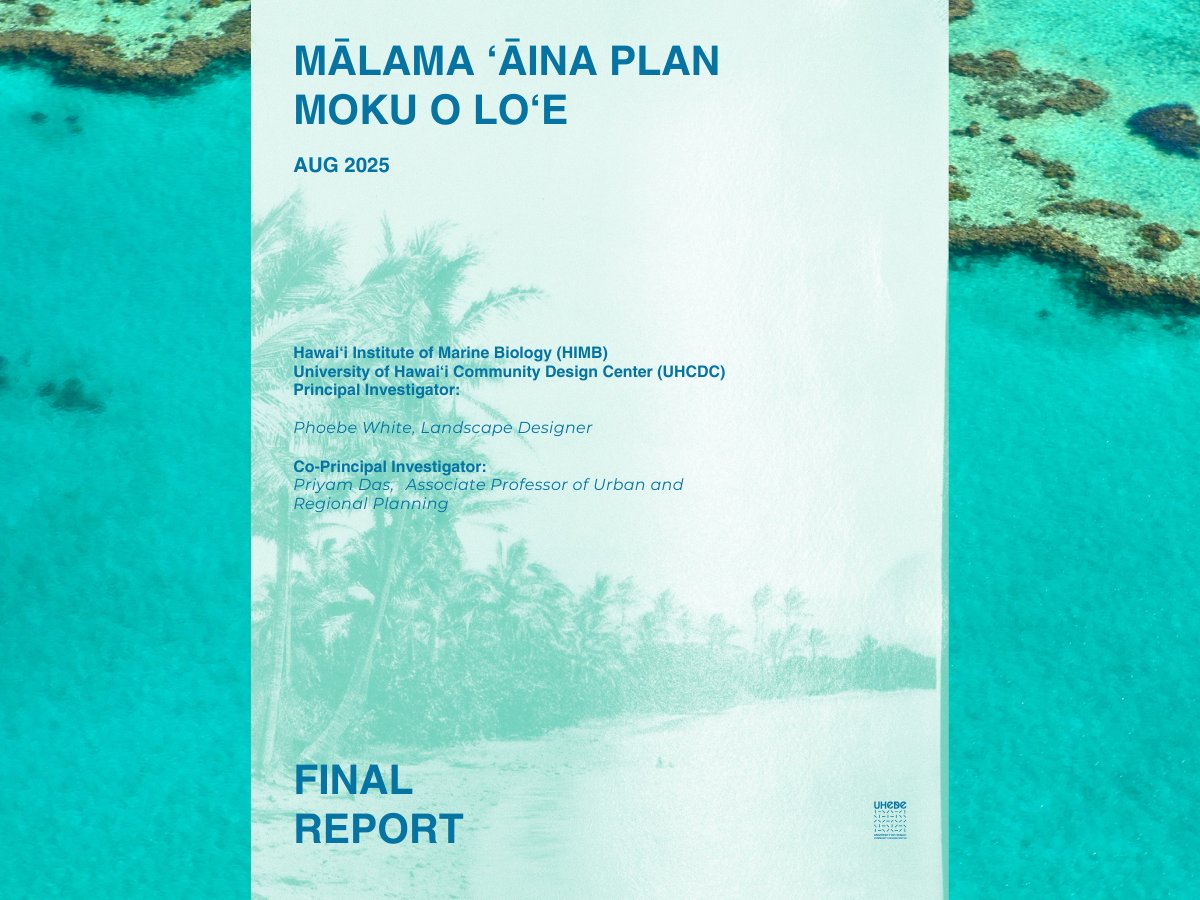
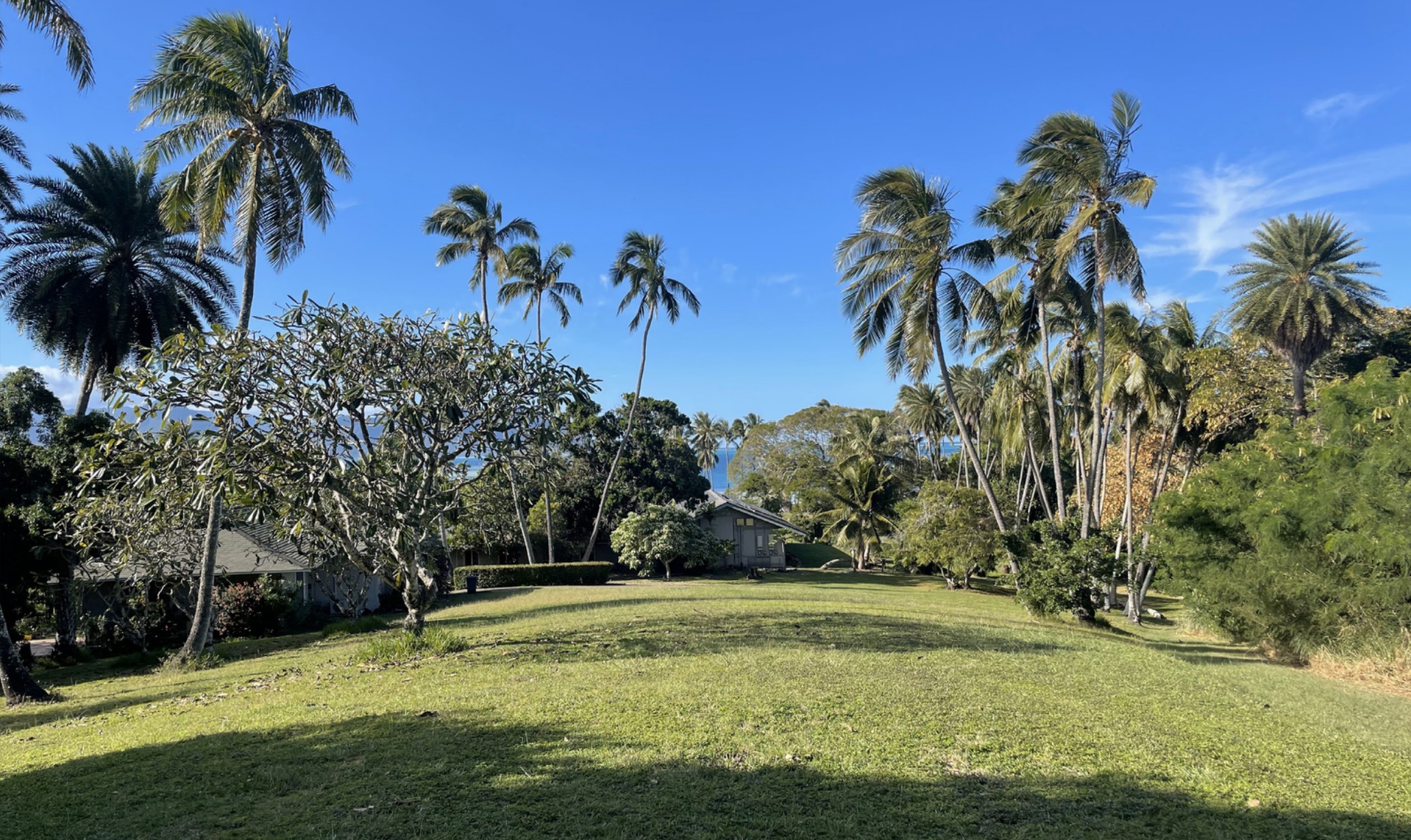
HIMB and its partners have developed a Mālama ‘Āina Plan for Moku o Lo‘e, outlining a framework for pono stewardship and climate adaptation. This plan is rooted in the Hawaiian worldview, emphasizing the interconnectedness of all living things and the shared responsibility of caring for the land and sea.
This comprehensive plan balances the need to preserve the island's natural environment with the essential functions of the research institute. The plan directly addresses the challenge of sea level rise by integrating adaptation strategies that are both scientifically sound and culturally appropriate. By braiding Indigenous Knowledge with contemporary science, the Moku o Lo‘e Mālama ‘Āina plan serves as a model of stewardship and adaptation for a changing climate.
Wisdom of ‘Aha Kiole: Guiding the Future of Moku o Lo‘e
HIMB's Mālama ‘Āina Plan for Moku o Lo‘e harnesses the wisdom of the past to navigate 21st-century challenges like climate change and sea level rise. The plan is based on eight considerations of pono stewardship inspired by the ancient ‘Aha Kiole, or "people's council" system, a model for collective decision-making that ensured the responsible care of land, water, and people. To bring this ancient knowledge system to life in a modern day plan for stewardship of the island, each of the eight considerations had a dedicated working group of HIMB faculty, staff, students, community members, and subject matter experts.
Explore the 8 considerations of pono stewardship below.
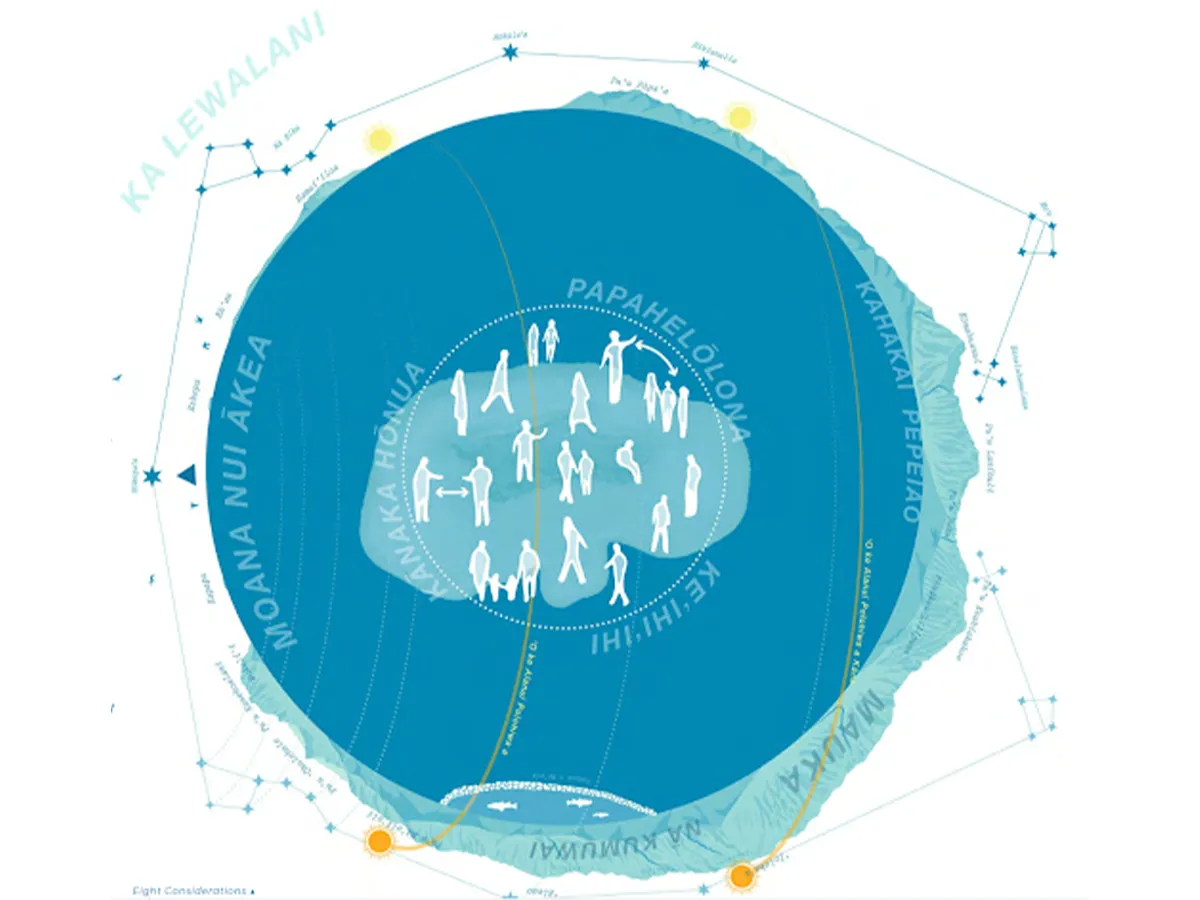
8 Considerations of Pono Stewardship
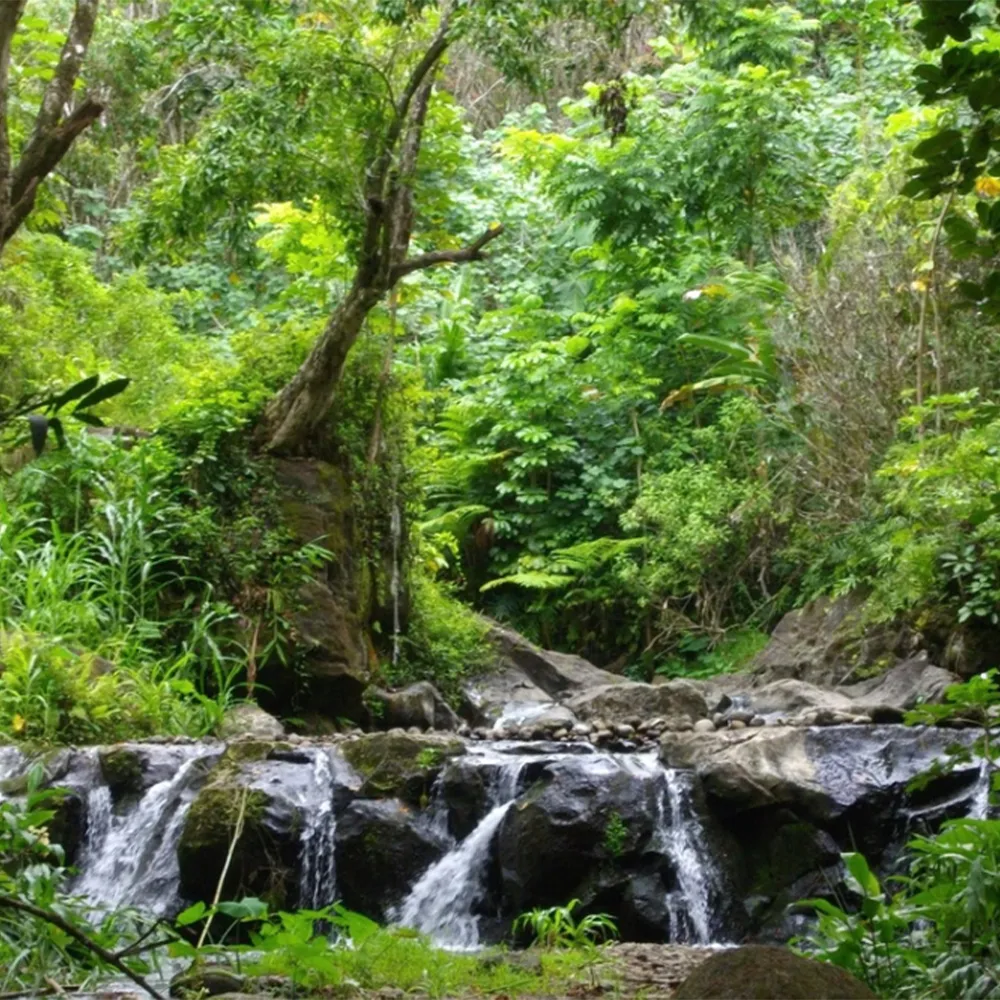
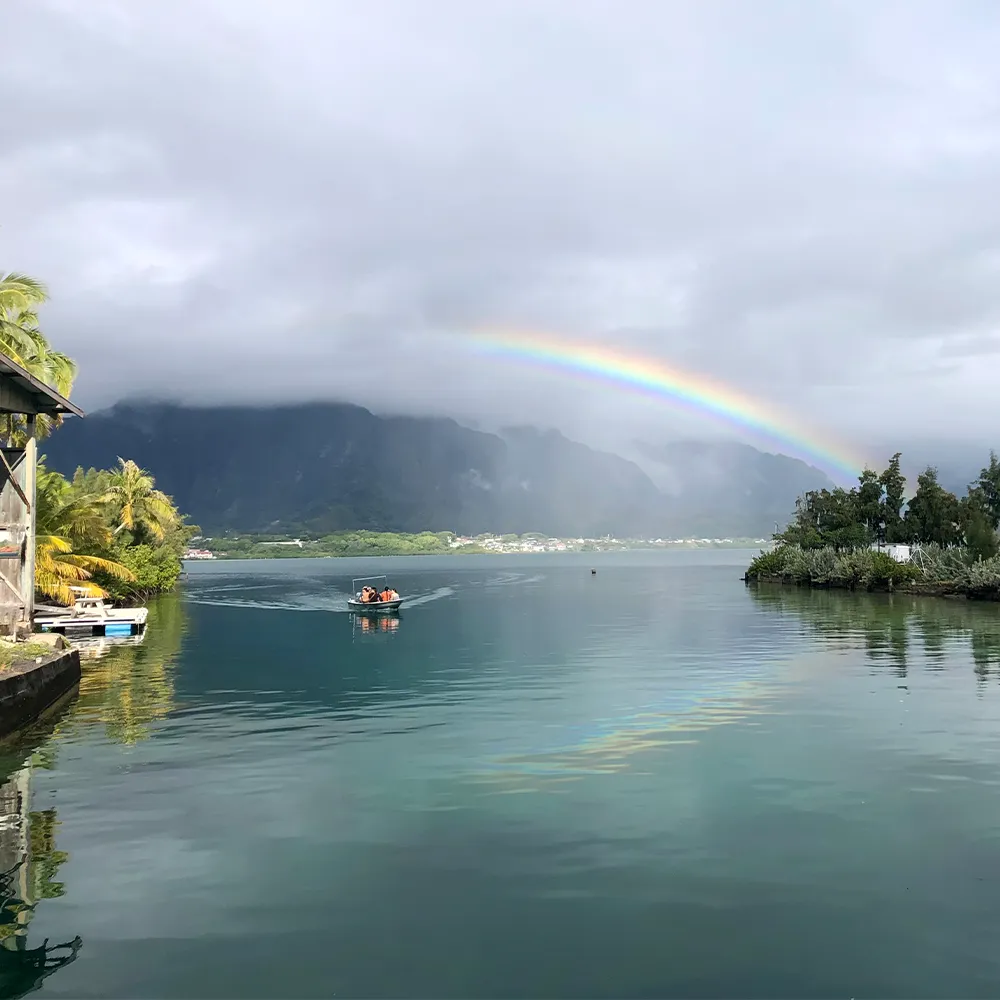
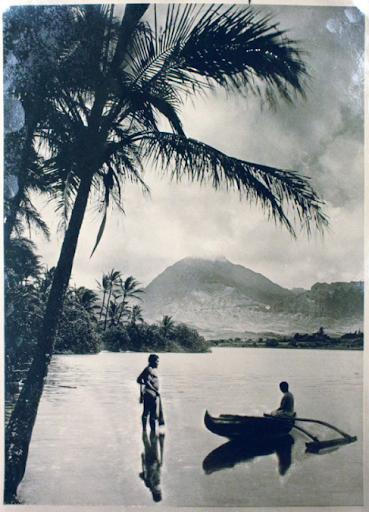
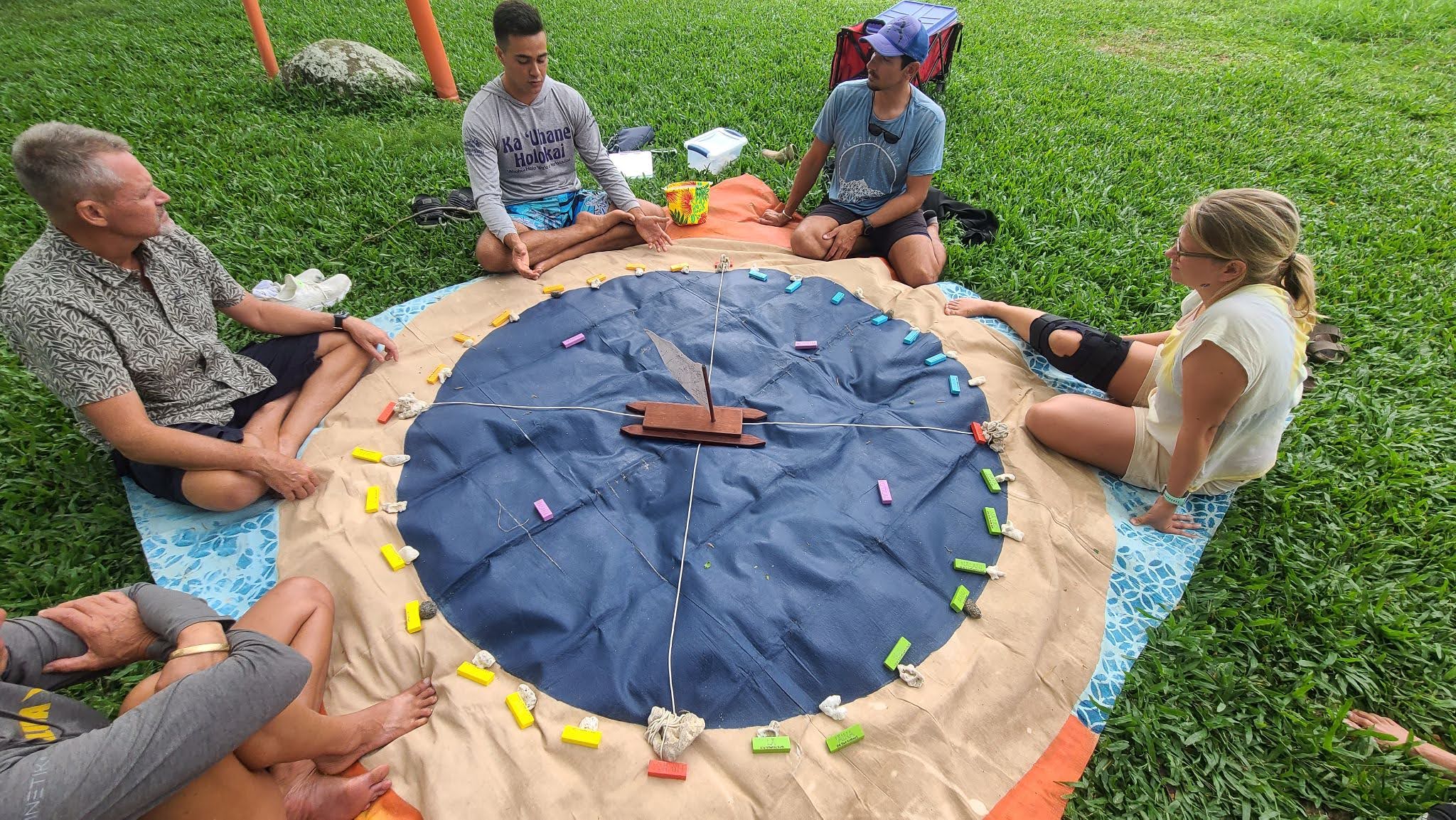
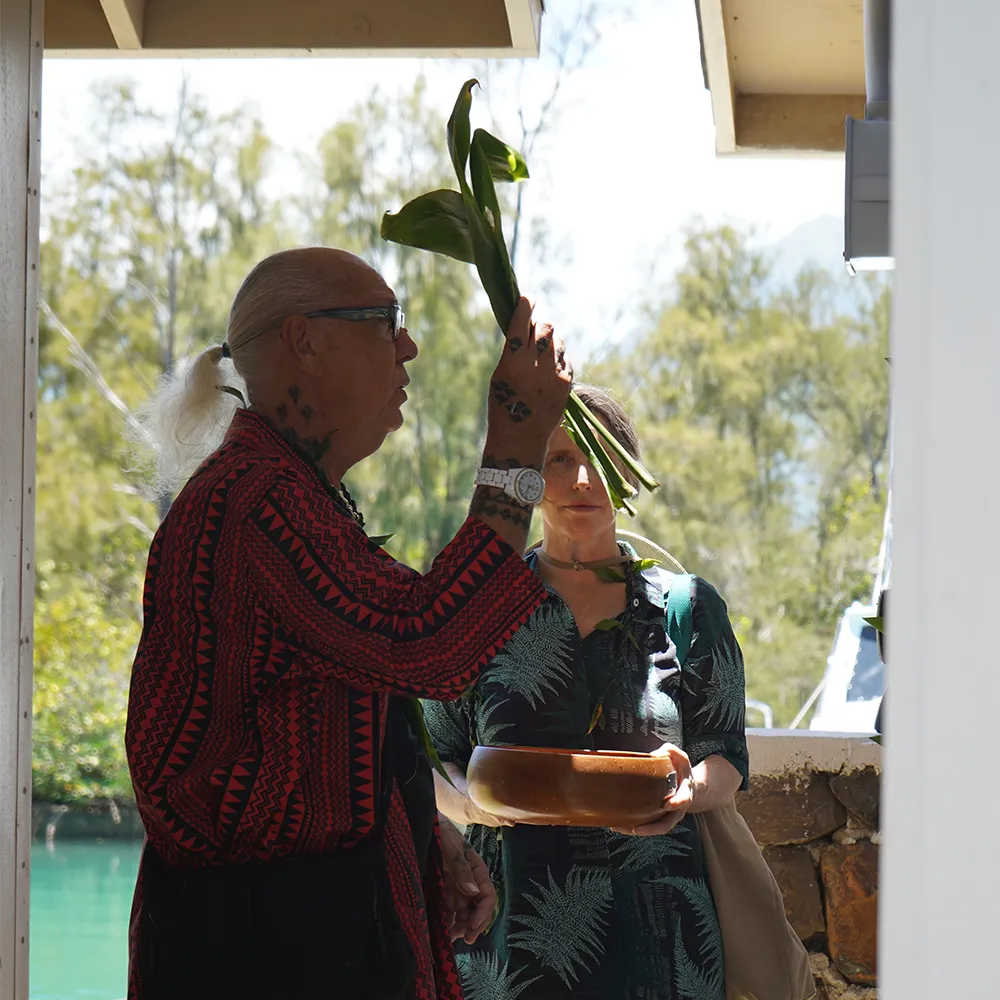
Hawai‘i Marine Laboratory Refuge
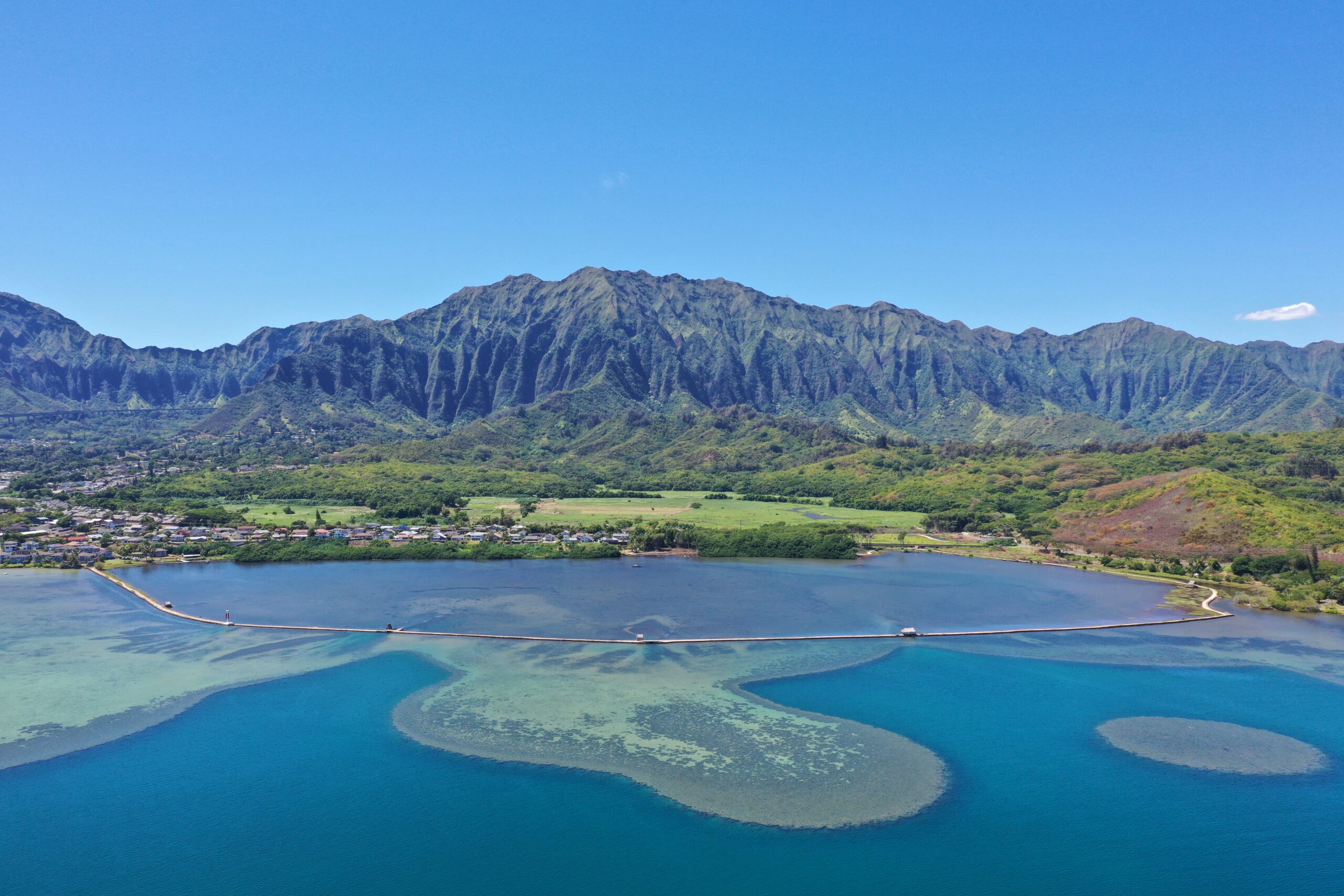
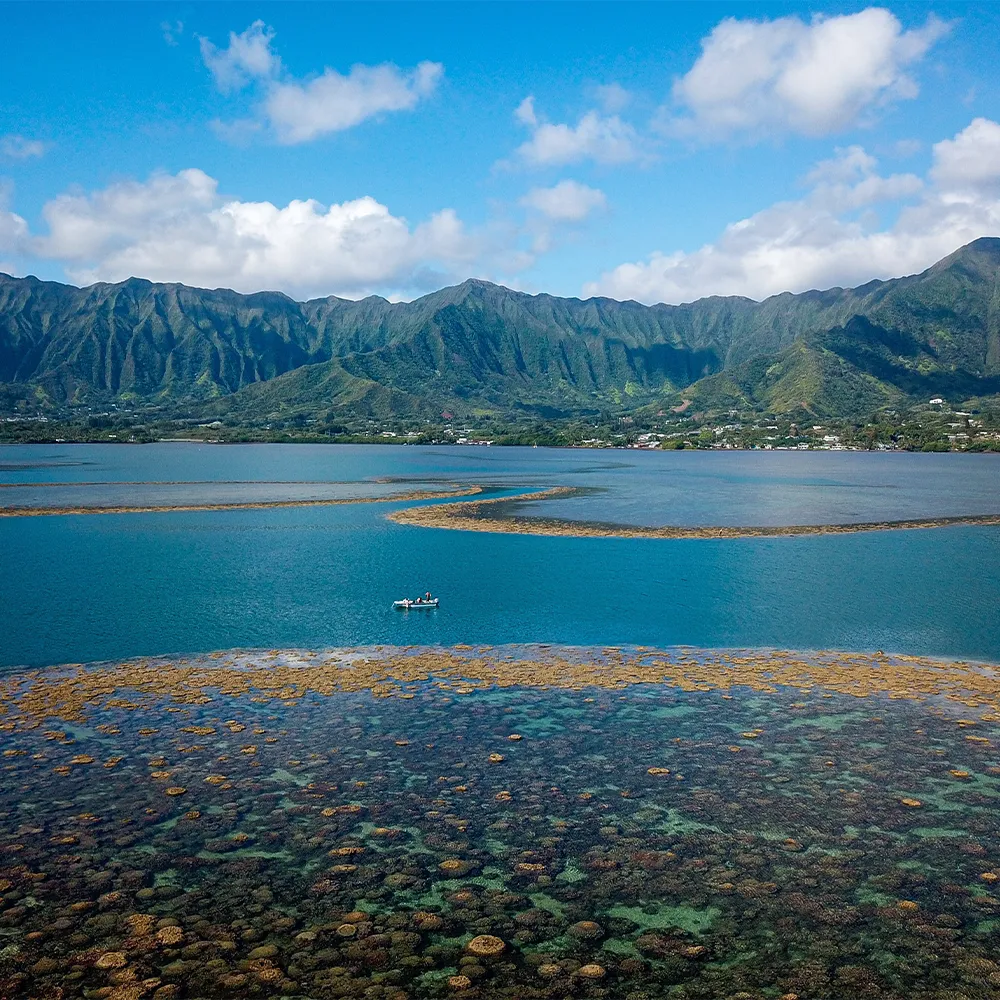
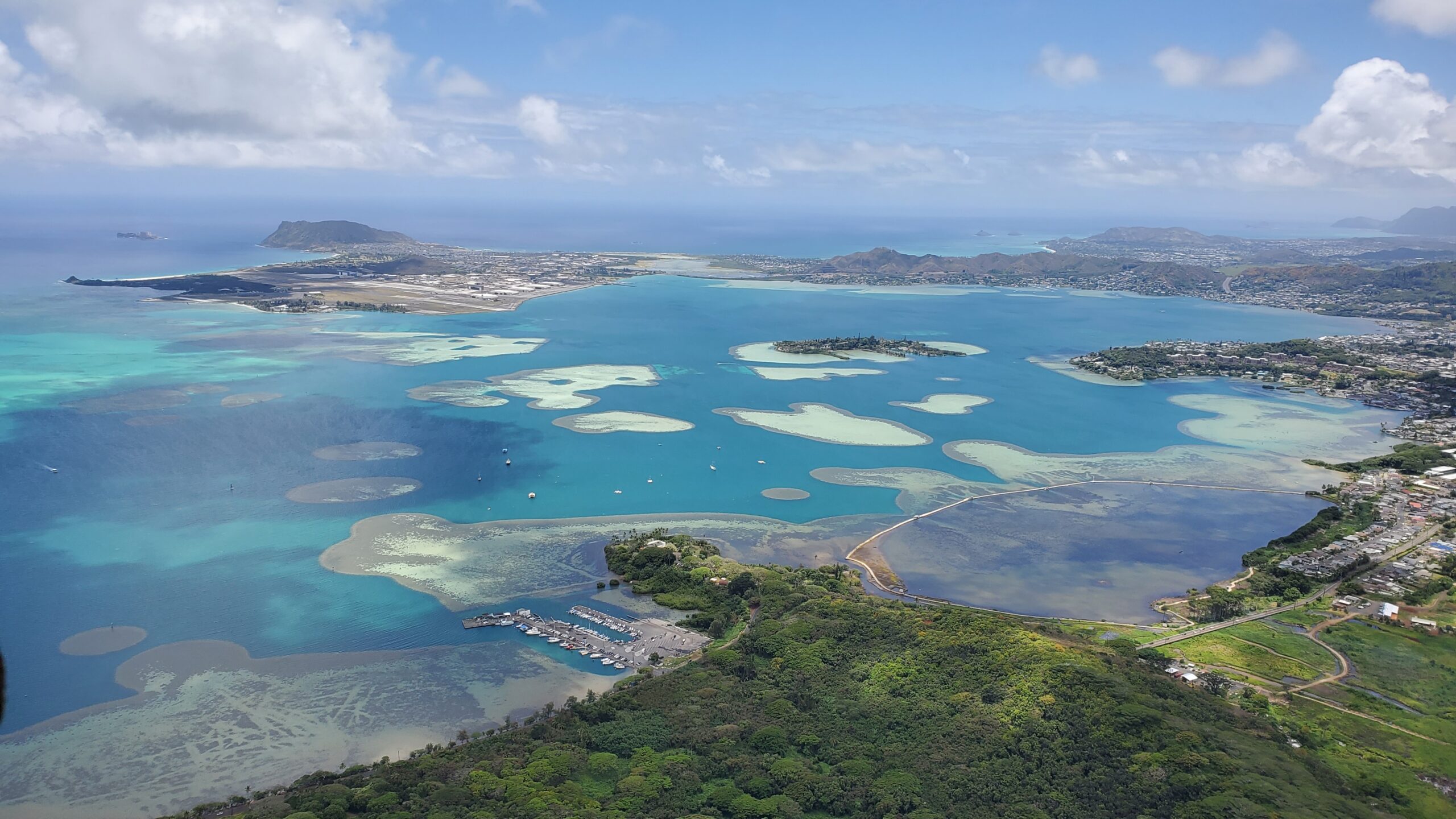
The Hawai‘i Marine Laboratory Refuge, located in Kāne‘ohe Bay, encompasses the reefs and bay waters surrounding Moku o Lo‘e. This protected area extends from the island's high-water mark to 25 feet beyond the outer edges of the reefs. The refuge is an important site for marine research, and the taking of aquatic life is strictly prohibited for the general public. Exceptions are made for University of Hawai‘i faculty, staff, students, and licensees of the Board of Regents who are authorized to collect aquatic life for scientific purposes. These individuals must adhere to all state regulations regarding minimum size, closed seasons, and gear restrictions when conducting their research within the refuge's boundaries.
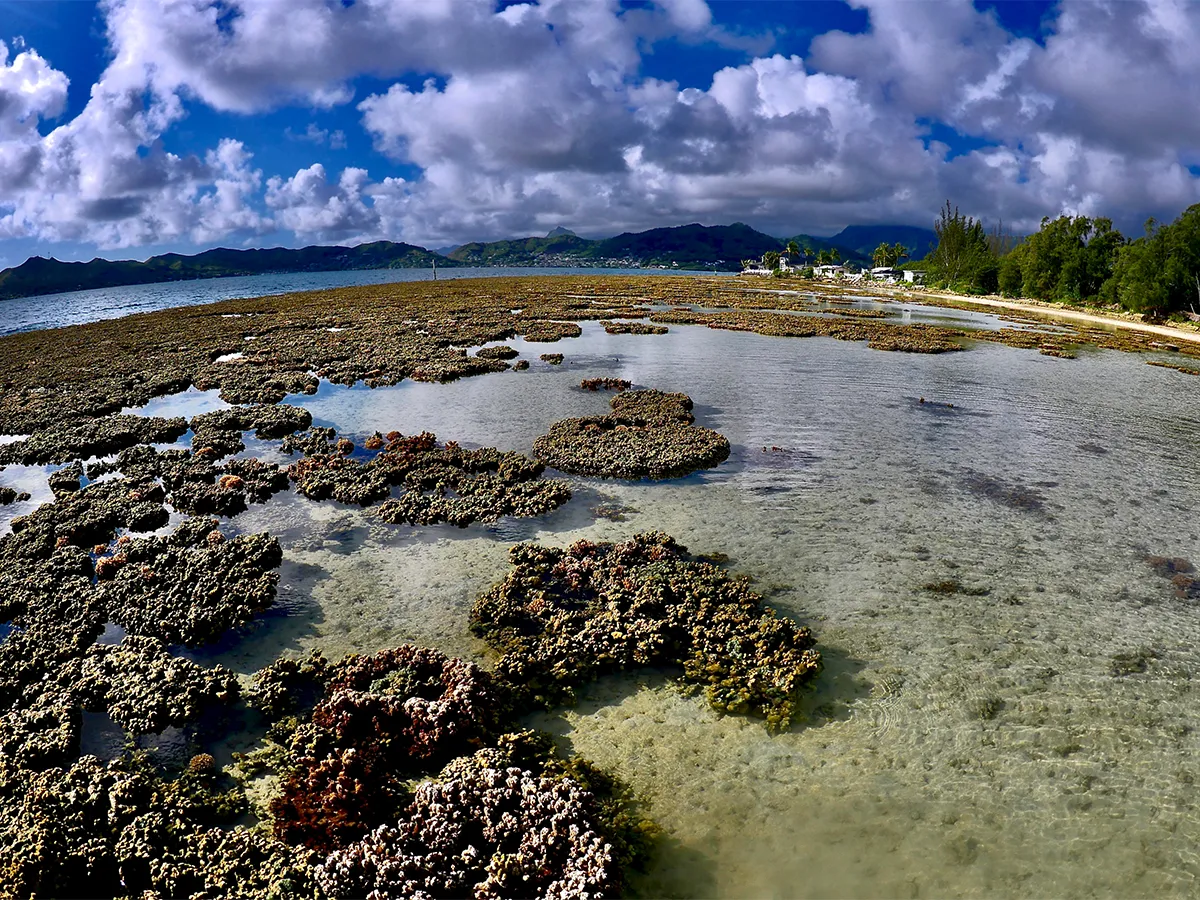
He‘eia National Estuarine Research Reserve (NERR)
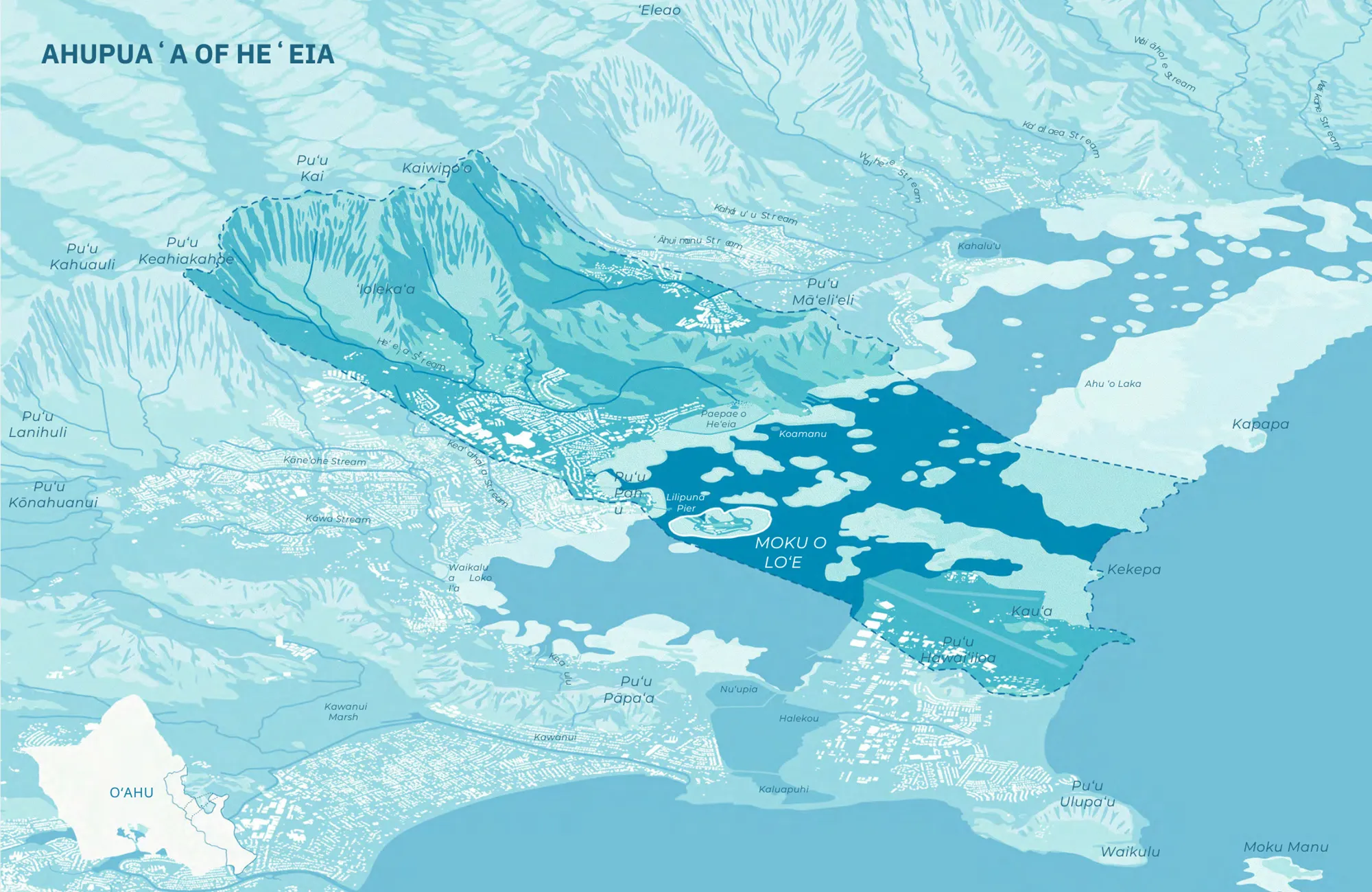
Established in 2017, the He‘eia National Estuarine Research Reserve (NERR) lies within the He‘eia ahupua‘a and encompasses 1,385 acres of unique and diverse upland, wetland, stream, estuarine, coastal, and marine habitats within He‘eia.
The NERR is co-stewarded by a dedicated team of partners, including the Hawai‘i Institute of Marine Biology (HIMB), Paepae o He‘eia, Kāko‘o ‘Ōiwi, Ko‘olaupoko Hawaiian Civic Club, Ko‘olau Foundation, NOAA Office for Coastal Management, Hawai‘i Department of Land and Natural Resources, and Hawai‘i Community Development Authority. This collective actively works to promote resilient ecosystems and communities. As a key partner, HIMB developed the groundbreaking Mālama ‘Āina Plan, which articulates how the institute will steward its lands and waters in alignment with Native Hawaiian values—the first such plan from a University of Hawai‘i organized research unit.
He‘eia NERR Partners
He‘eia NERR partners provide invaluable knowledge and insights that are integral to HIMB's marine research and conservation efforts.
On The Beat of Stewardship at HIMB
Go behind the scenes and experience the breakthroughs, stories and news coming out of our HIMB ‘Ohana.

Hawaiʻi’s Corals Were Struggling To Survive. Then Came The Mud Floods

HPU Hosts Symposium that promotes dialogue about evidence-based evaluation of genki balls
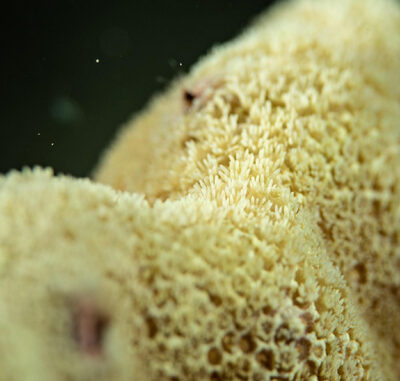
Human activities compromise coral health, resilience in Maui waters
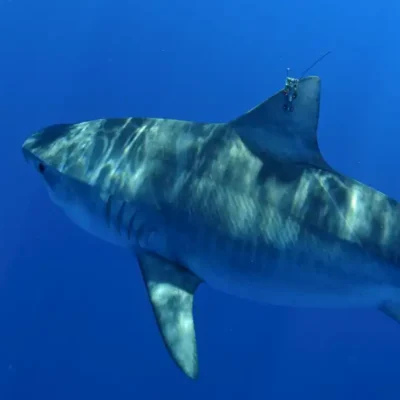
Hawaii’s sharks could provide data to weather models with satellite tags
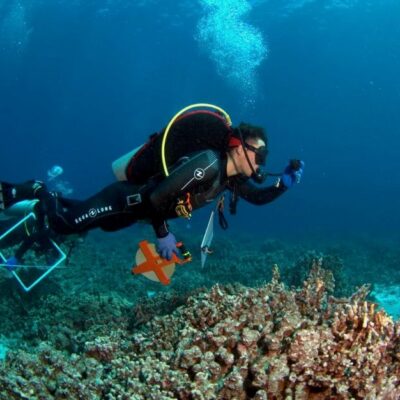
Pacific Coral Reef Research Takes Step Forward with New NOAA-Funded Institute
