Aloha.
Welcome to HIMB.

The Hawai‘i Institute of Marine Biology (HIMB) is where marine science connects cutting-edge research and transformative education to understand and protect our local and global oceans.

More About HIMB

From Microbes to Megafauna

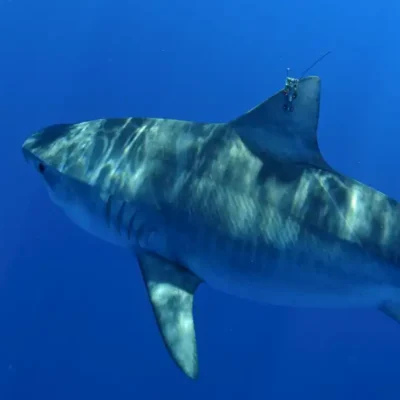
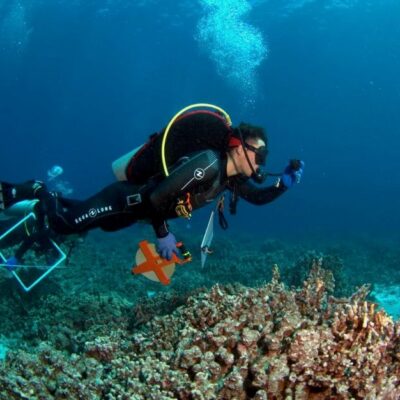
At HIMB, we harness the latest technology to understand the ocean’s tiniest–to largest–inhabitants, and learn what they need to thrive.

Explore More

Meeting this Moment

HIMB researchers ask and answer questions to assess and secure ocean health- now, and into the future. With nature as our guide, we innovate the solutions we need today for a resilient coast tomorrow.

See Our Focus Areas

Where Marine Science Connects

From the center of the Pacific, HIMB's dynamic research community is a hub for ocean solutions. Marine biologists from Hawaiʻi and around the globe come to HIMB to learn and lead careers of impact. Our research extends from our living laboratory on Moku o Loʻe to communities here and around the world.
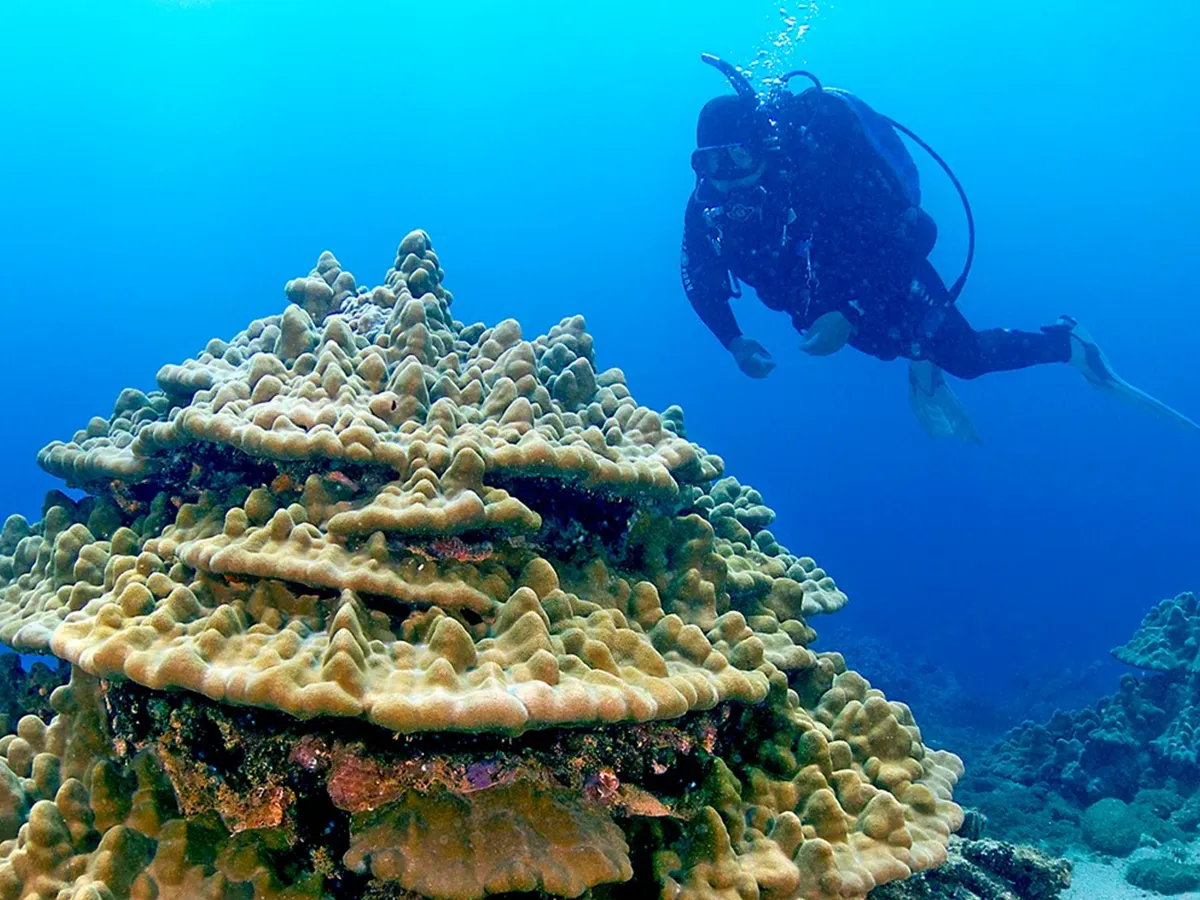
A scuba diver swims near a large, layered coral formation in clear blue ocean water.

Research Excellence

HIMB advances fundamental research and develops new technologies to address the challenges facing Hawai‘i, the Pacific, and the world’s oceans. Our community of over 200 faculty, staff, and students transform local research into global solutions.

Transformative Education

Surrounded by a living coral reef and diverse marine life, HIMB offers a learning environment like no other. Our education pathways connect students, educators, and community members with our research, sparking curiosity and opening doors to marine science. From grade school to graduate studies, we’re inspiring the next wave of ocean stewards.
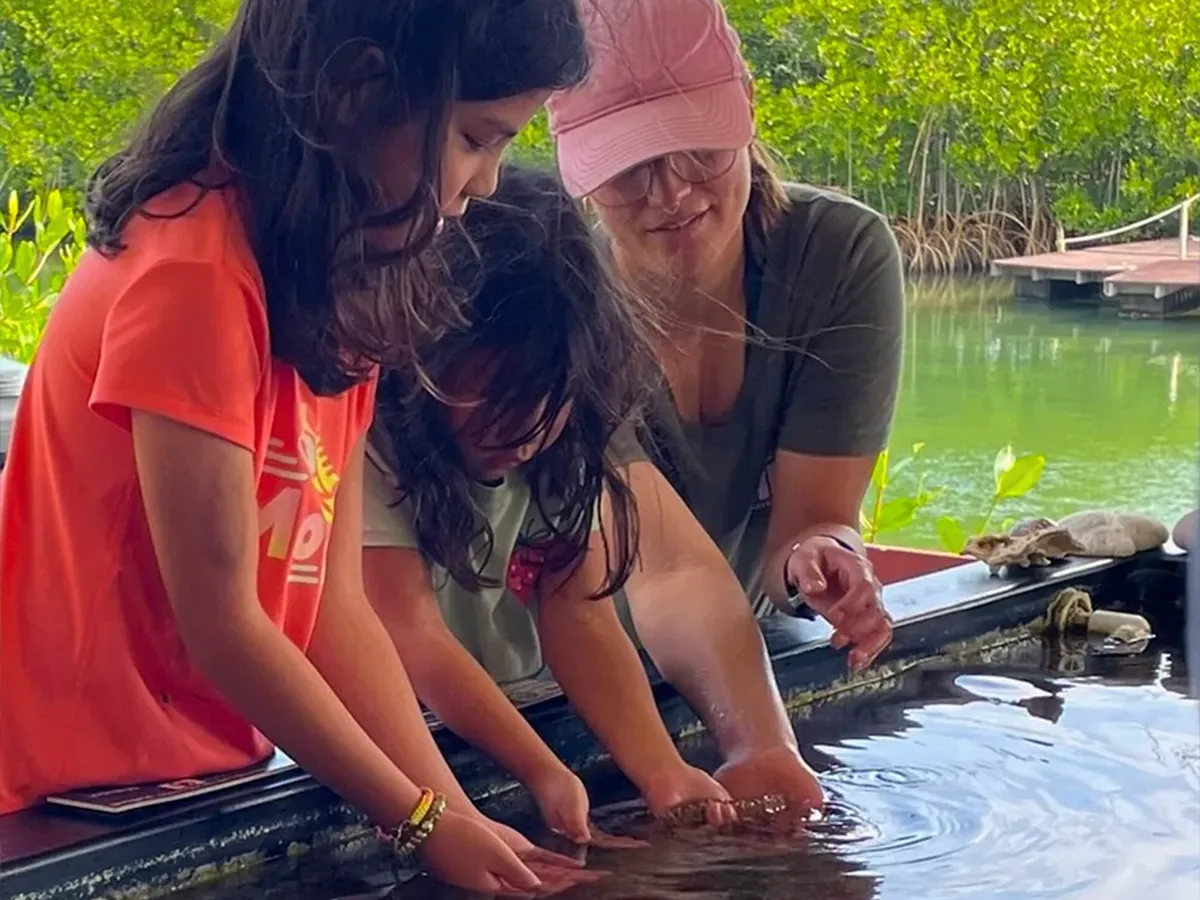
A woman and two girls touch water in an outdoor aquarium with greenery in the background.
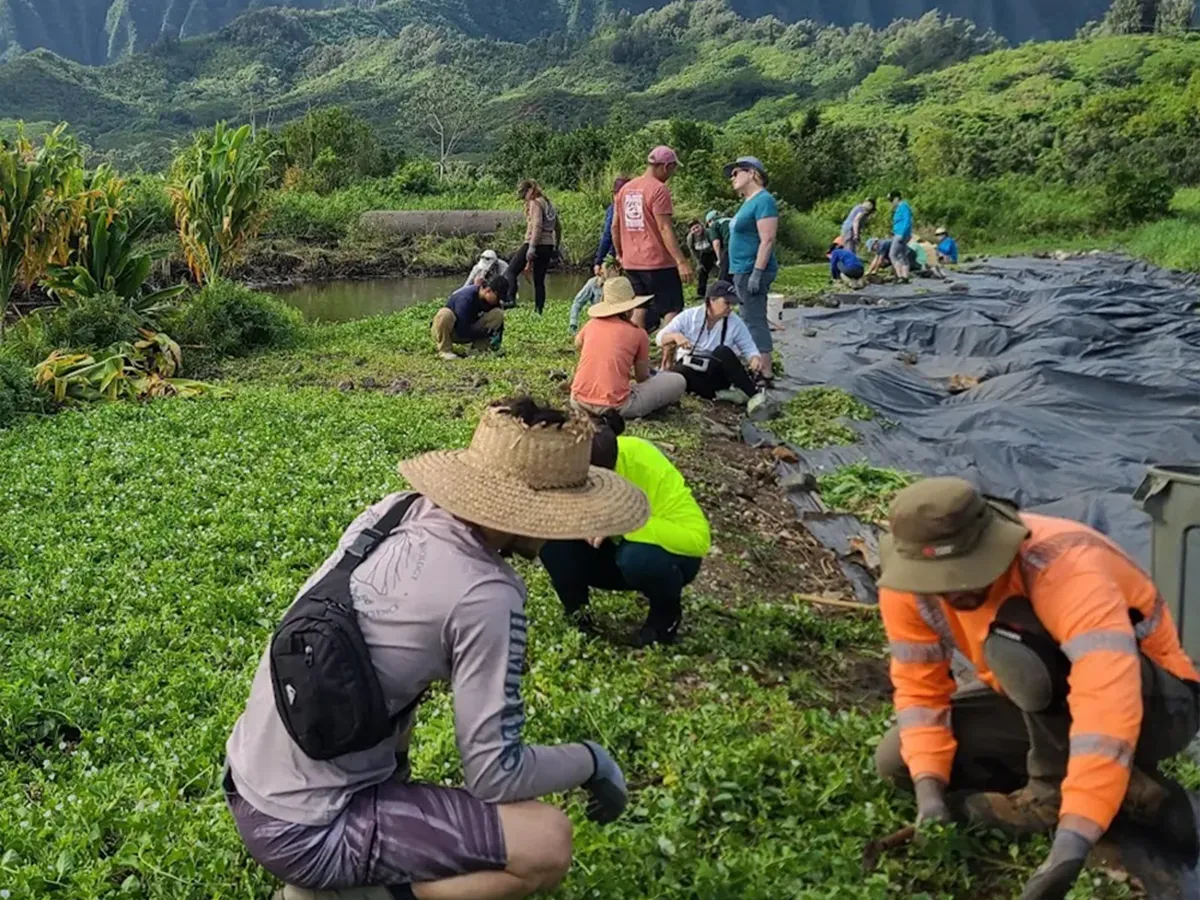
A group of people work together weeding and gardening in a lush, green outdoor area with mountains in the background.

Island Stewardship

HIMB forges and fosters partnerships with coastal communities. Our research extends from mauka (ridge) to makai (reef). From shared bodies of knowledge, we find strategies for sustaining our coastal resources, and we are piloting programs to inspire other island communities to do the same.

Grounded in Place

HIMB is an organized research unit of the University of Hawai‘i at Mānoa, located on the island of Moku o Lo‘e and surrounded by a living coral reef in Kāne‘ohe Bay. Boarding our shuttle boat to reach the island is an invitation to connect with and mālama (care for) ‘āina (land, that which feeds). This responsibility is intrinsic to our work in Hawai‘i and study sites worldwide.

One Ocean. Global Solutions.
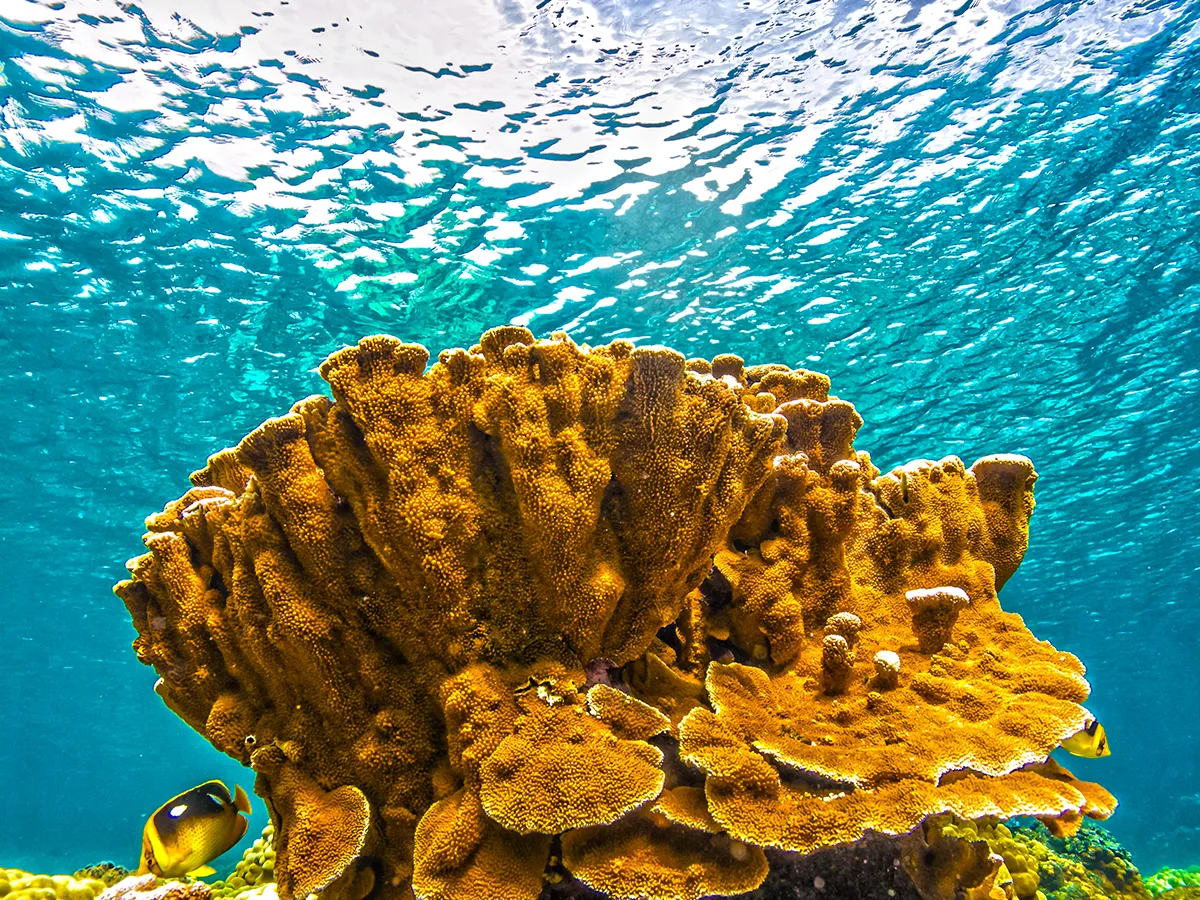
Coral & Coastal Resilience
Large orange coral and a colorful fish underwater, with sunlight reflecting on the water’s surface above.

Nature-Based Solutions

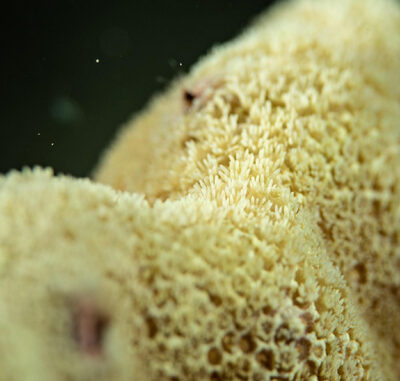
HIMB advances coral and coastal resilience through research on thermal tolerance in corals, effectiveness of reef restoration, and the coastal protection that reefs provide. Our researchers develop innovative technologies like 3D-printed settlement structures and explore nature-based coastal defense. HIMB advances our foundational understanding of corals, coral reefs and their roles in coastal resilience, developing solutions to protect and conserve reefs in the face of climate change and other human impacts.
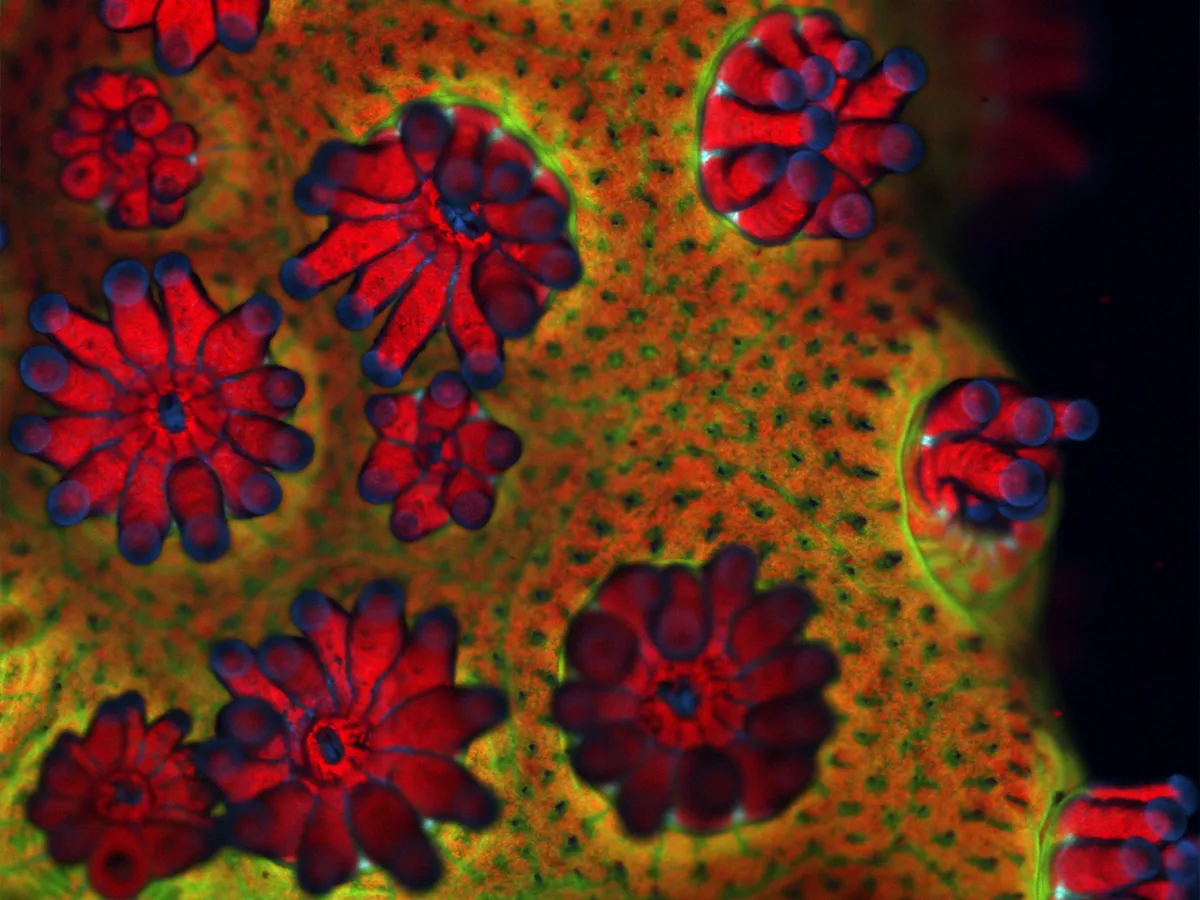

Microbes to Megafauna: Marine Sentinels of Climate Change
Community-Engaged Research
Fish & Sustainable Fisheries
Applied Technology & Nature-Based Solutions

Happening At HIMB

Go behind the scenes and experience the breakthroughs, stories, and news coming out of our HIMB Ohana.

Science and Storms: Recapping MMRP’s 2026 Maui Field Season

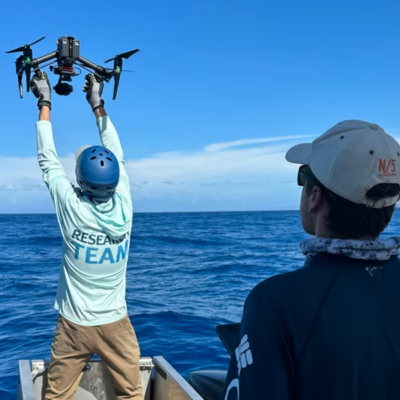
Braving record rainfall and "Kona lows," researchers successfully used drone-integrated tagging technology to capture unprecedented data on humpback whale health and behavior in Maui Nui. This eight-year longitudinal study combines high-tech measurements with dramatic field observations to help scientists predict how these iconic marine mammals will navigate a rapidly changing climate.

May 05, 2026
Read More
AnnouncementImpact Story

Four Prestigious Honors for HIMB Graduate Students

HIMB is proud to celebrate four graduate students whose outstanding research in marine mammal energetics, gray whale ecology, fisheries modeling, and data science has earned them prestigious university and national accolades. These honors highlight the next generation of scientists providing the foundational evidence needed to protect and sustain our changing marine ecosystems.

May 05, 2026
Read More
Announcement

Fellowships for Seven Fisheries Grad Students Highlights Community Support

The first cohort of the Sustainable Fisheries Graduate Program at the University of Hawai‘i at Mānoa has been selected and includes 14 students, seven of which are supported through fellowships from the National Oceanic and Atmospheric Administration (NOAA), Hawai‘i Division of Aquatic Resources (DAR) and a Hawai’i-based philanthropic organization.

AnnouncementImpact Story

HIMB Researcher Dr. Brian Bowen Ranks #1 Globally in Phylogeography

The Hawai‘i Institute of Marine Biology (HIMB) is proud to announce a landmark achievement for one of its long-standing researchers, Dr. Brian Bowen. Dr. Bowen has been ranked #1 globally in the field of Phylogeography by ScholarGPS.

April 29, 2026
Read More
Impact StoryPress Release

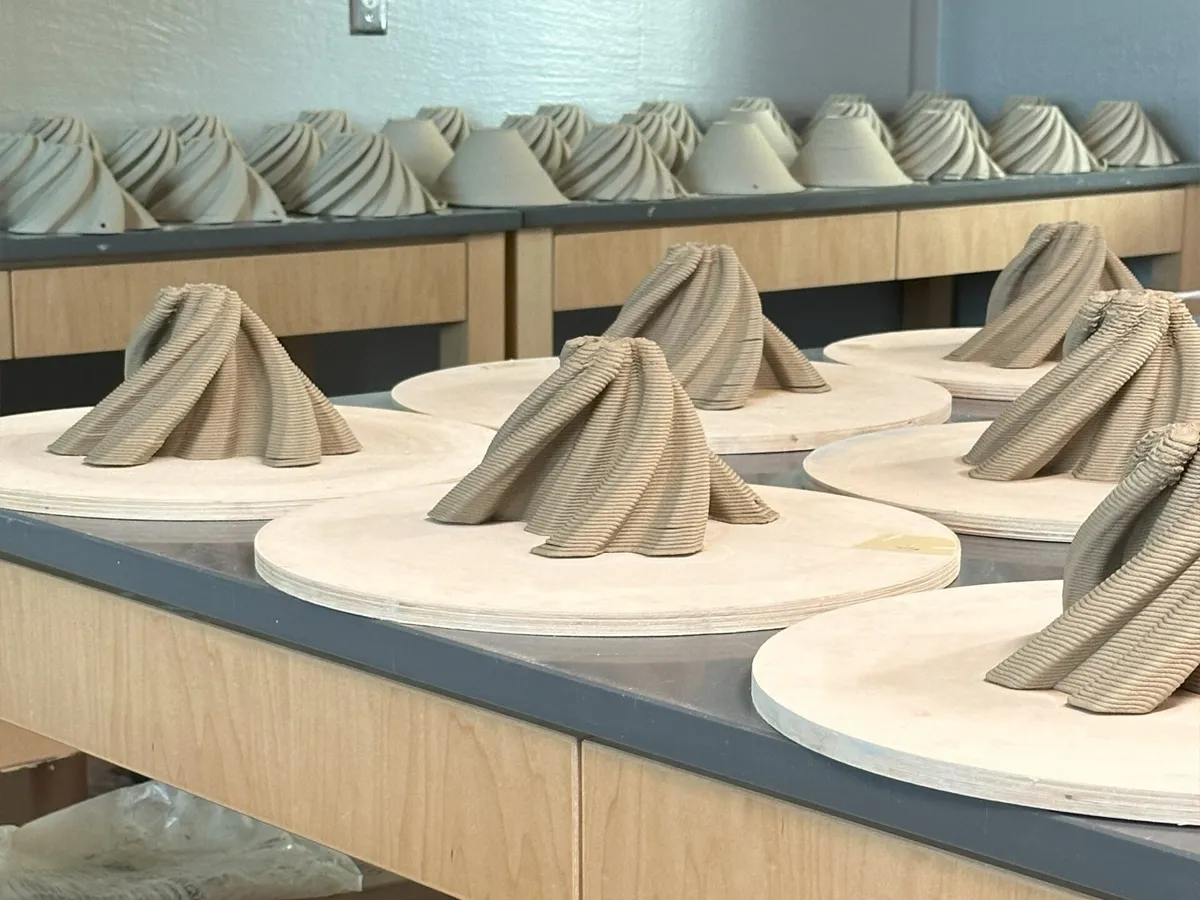
3D-Printed Shelters Increase Baby Coral Survival Rates

Researchers at the University of Hawaiʻi have developed 3D-printed ceramic "helix recesses" that dramatically boost baby coral survival by providing vital protection from predators and waves. These innovative, low-cost modules increase coral settlement by 80 times compared to flat surfaces, offering a scalable solution for restoring global reef ecosystems.

Announcement

A Celebration of Science & Community: 2026 HIMB Scholarship Symposium

The 2026 HIMB Scholarship Symposium transformed Earth Day into a dynamic stage for marine innovation, spotlighting the rigorous field studies and AI-driven breakthroughs of 41 emerging scientists. From mapping green turtle foraging grounds to revolutionary reef surveys, the event united rigorous research with community spirit to celebrate the future of ocean stewardship.

April 29, 2026
Read More
Scroll To Top