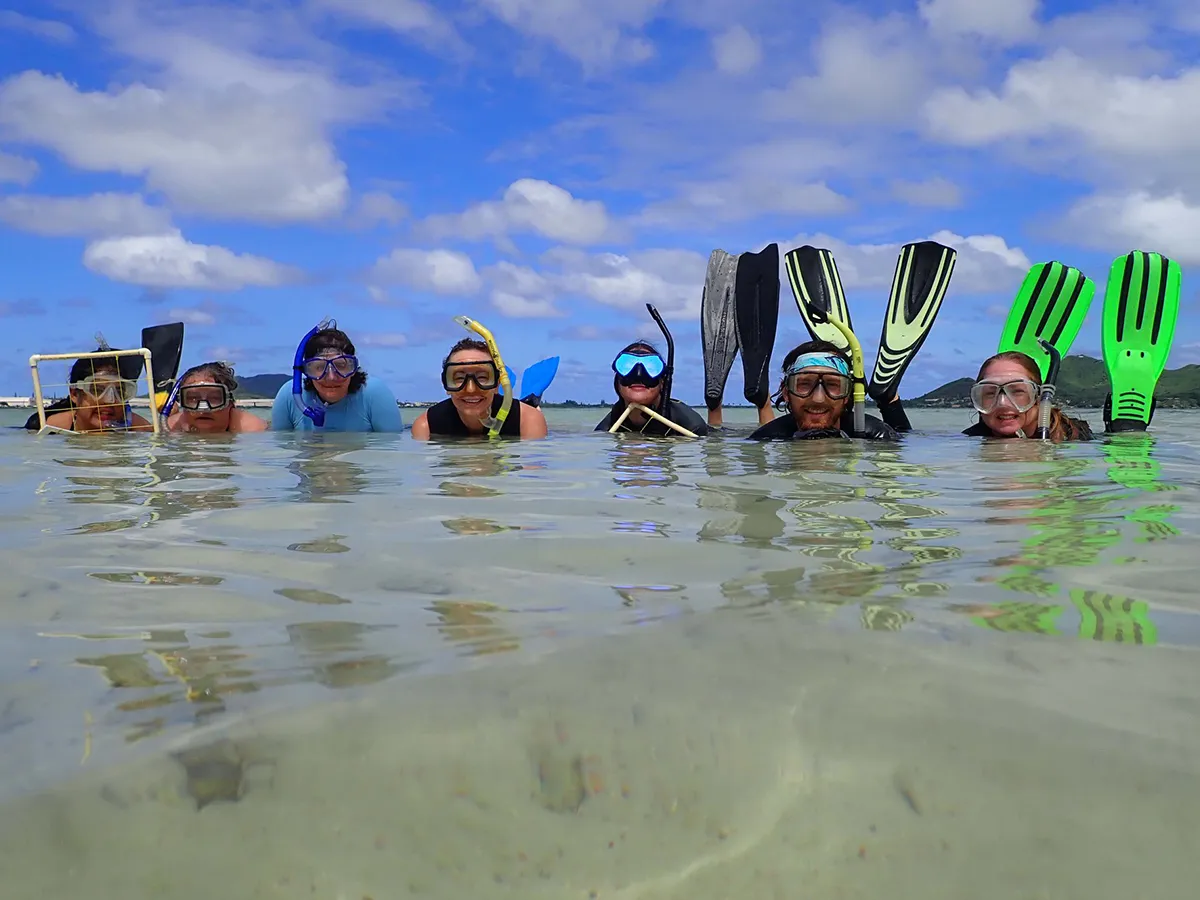
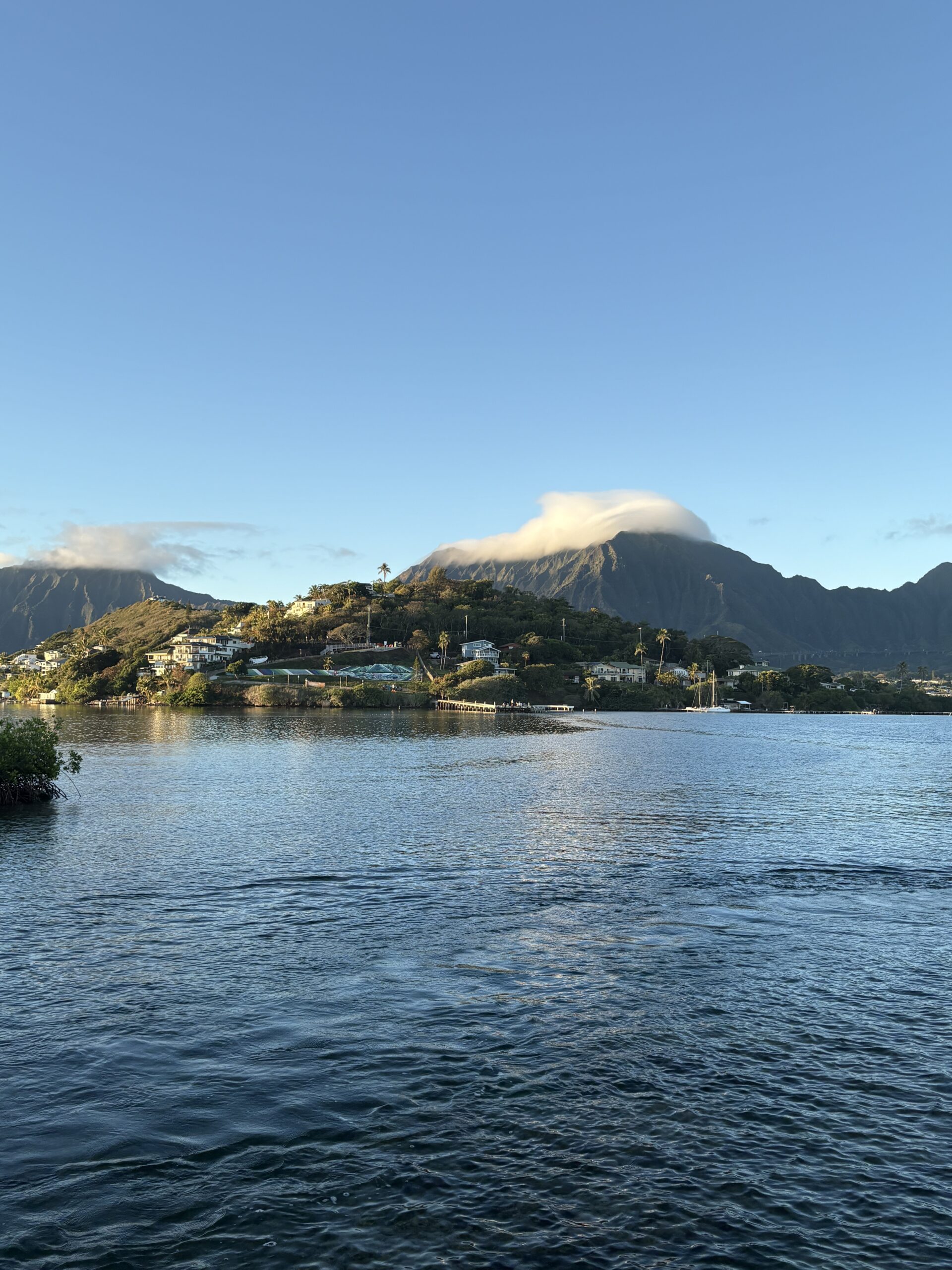
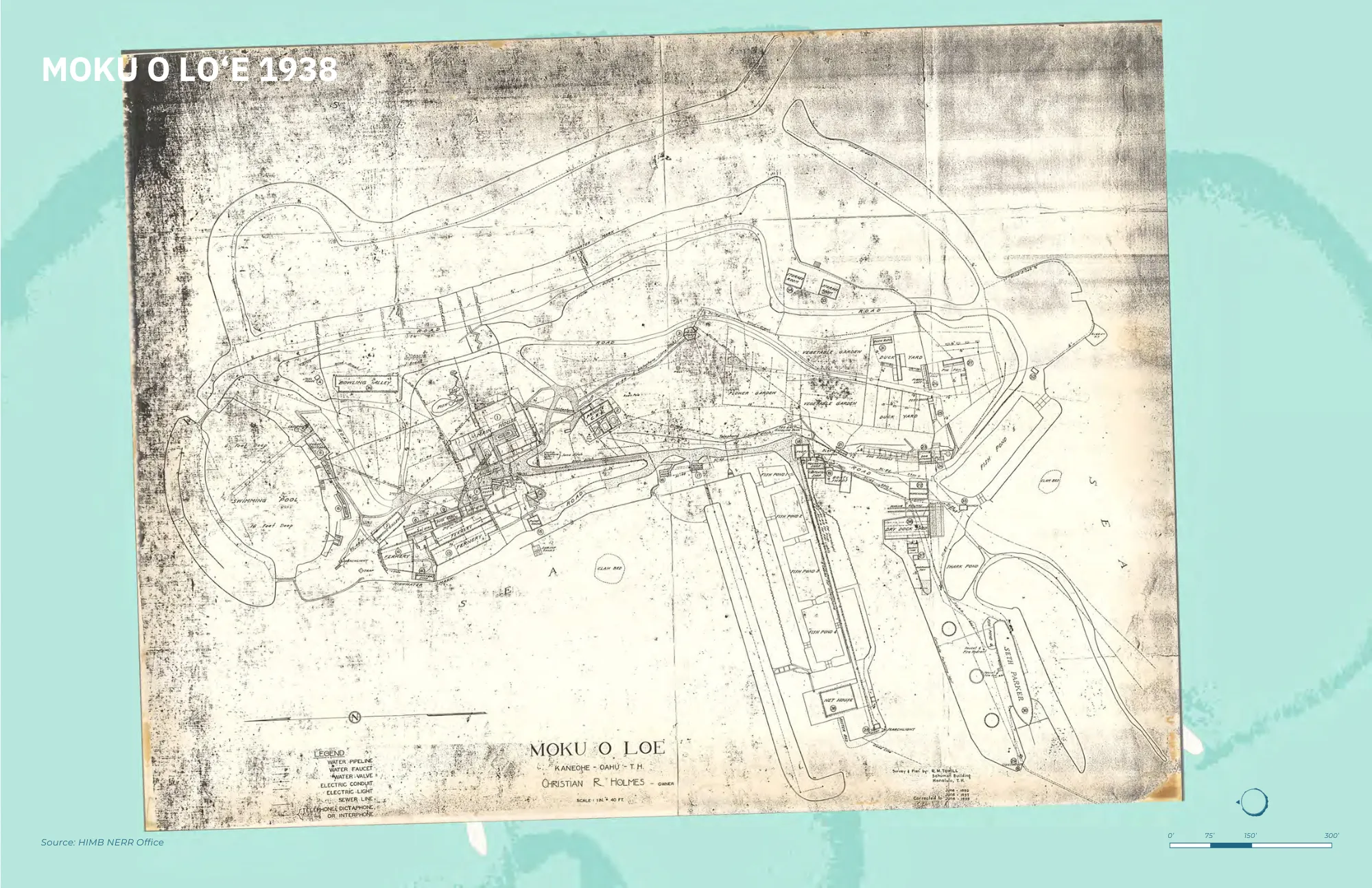
The island's Hawaiian name of Moku o Lo‘e honors Lo‘e, who made the island her home and played a pivotal role in a well known mo‘olelo (oral history, story). Moku o Lo‘e is also known as Coconut Island due to an abundance of coconut trees planted by Princess Bernice Pauahi Bishop in honor of Queen Emma Kalanikaumaka‘amano Kaleleonālani Na‘ea Rooke.
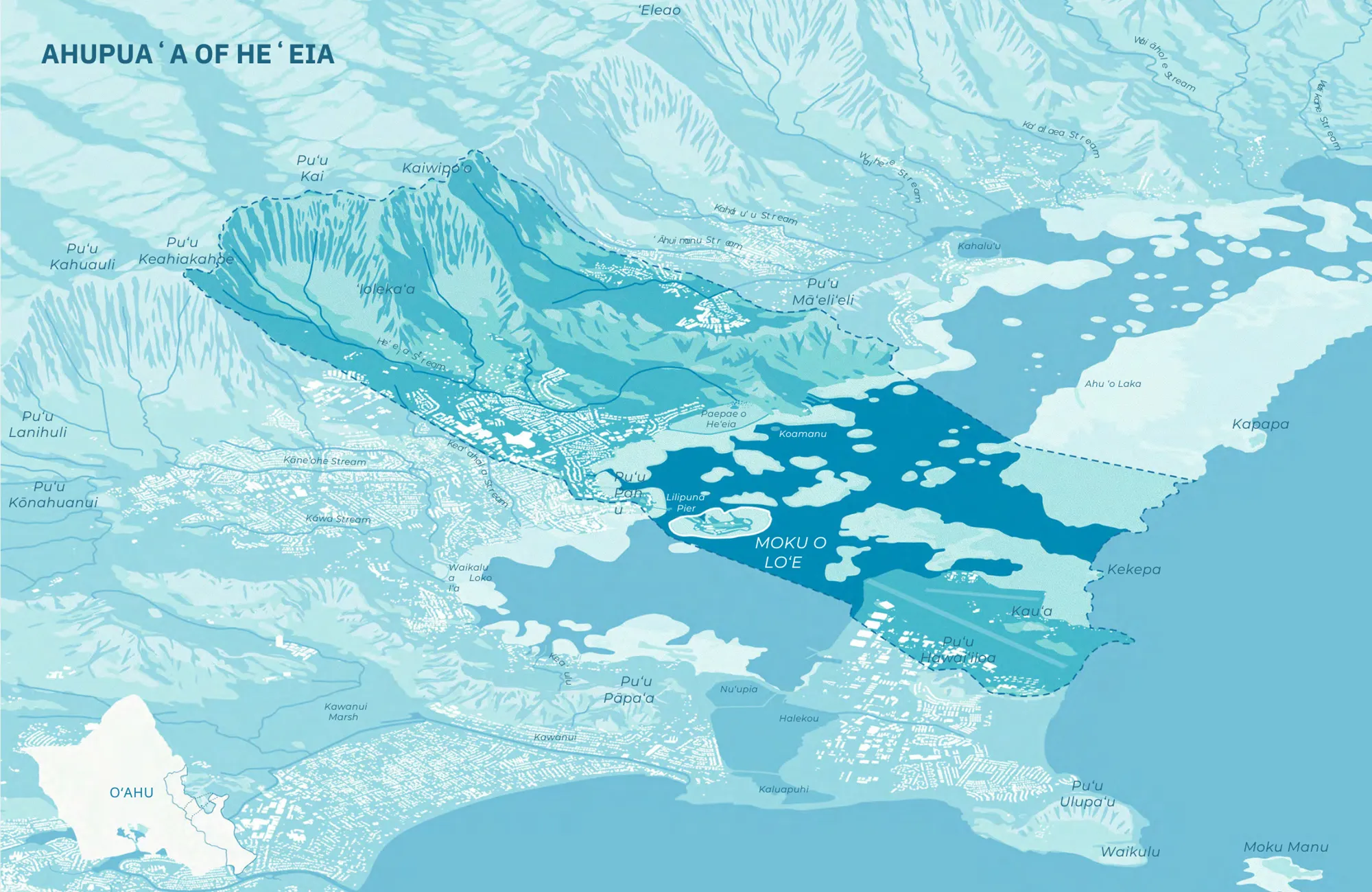
Ahupua‘a
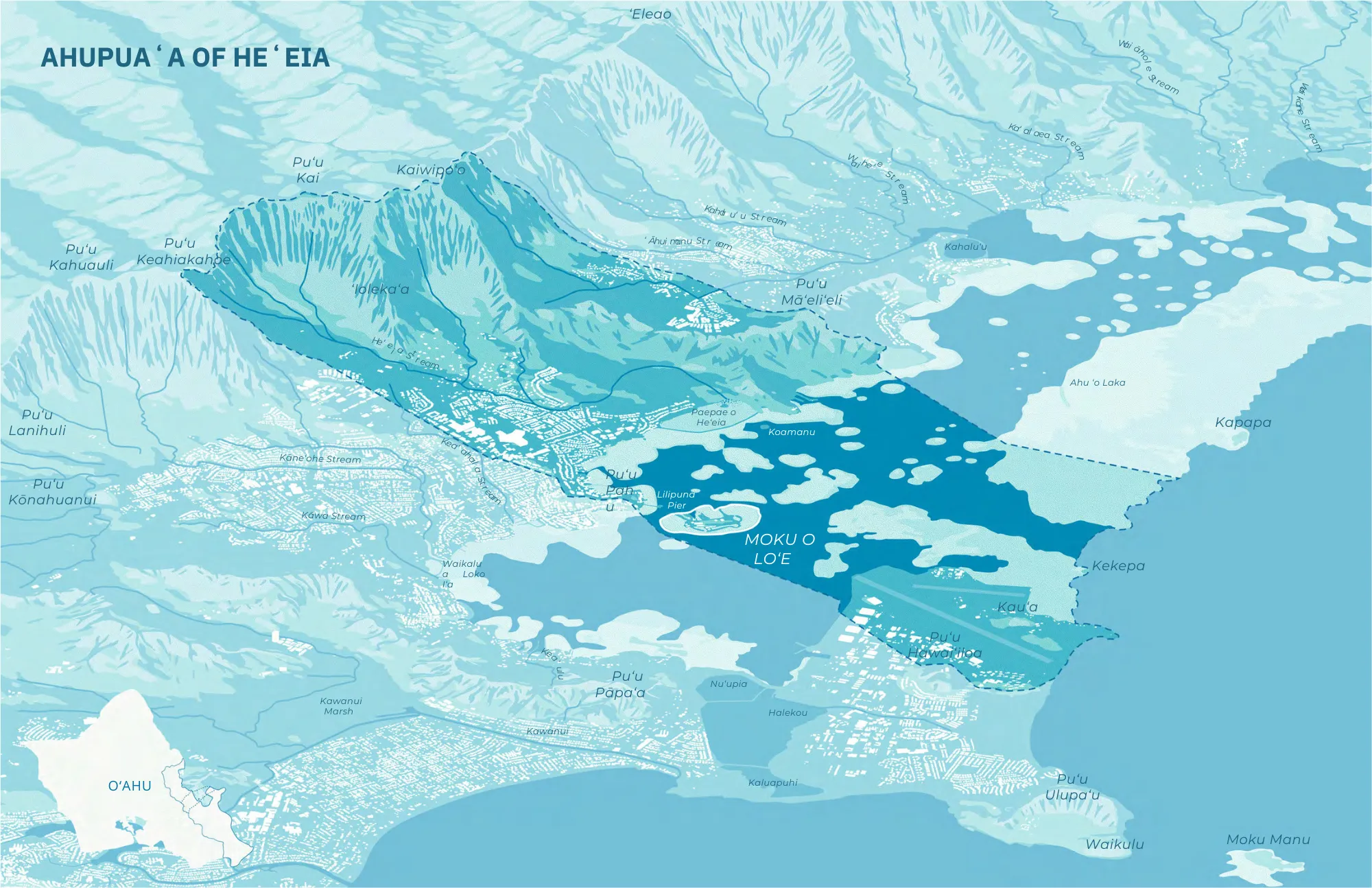
An ahupua‘a is a traditional Hawaiian land division extending from the mountains to the sea. He‘eia is a significant ahupua‘a on O‘ahu's windward side, encompassing diverse ecosystems. Moku o Lo‘e is an integral part of this ahupua‘a, highlighting the interconnectedness of land, fresh water, and ocean resources within a single, self-sustaining system.
Mo‘olelo
Ka mo‘olelo no Keahiakahoe: The Story of the Ke-ahi-a-ka-hoe
The mo‘olelo of Keahiakahoe tells of four siblings—Kahoe, Kahuauli, Pahu, and Lo‘e—who were sent away from ‘Ewa to settle in Ko‘olaupoko. Kahoe and Kahuauli were skilled farmers, while Pahu excelled at fishing by the sea. Their sister, Lo‘e, resided on the small island known today as Moku o Lo‘e, sustained by gathering from the bay, as well as her brothers' provisions. The story eventually reveals Pahu's greed, as he repeatedly gave Kahoe only meager fish bait in exchange for abundant produce. Lo‘e helped reveal Pahu's deception, leading Kahoe to change the way he cooked his food and relocate higher into the valley. The tale emphasizes the interconnectedness of upland and ocean resources and the importance of reciprocity, symbolized by the siblings' names, which are all connected to the place and lifeways in the region. This enduring mo‘olelo is why the island is named Moku o Lo‘e, "Island of Lo‘e," honoring the sister who made it her home and played a pivotal role in revealing truth and restoring balance.
Voices of Place
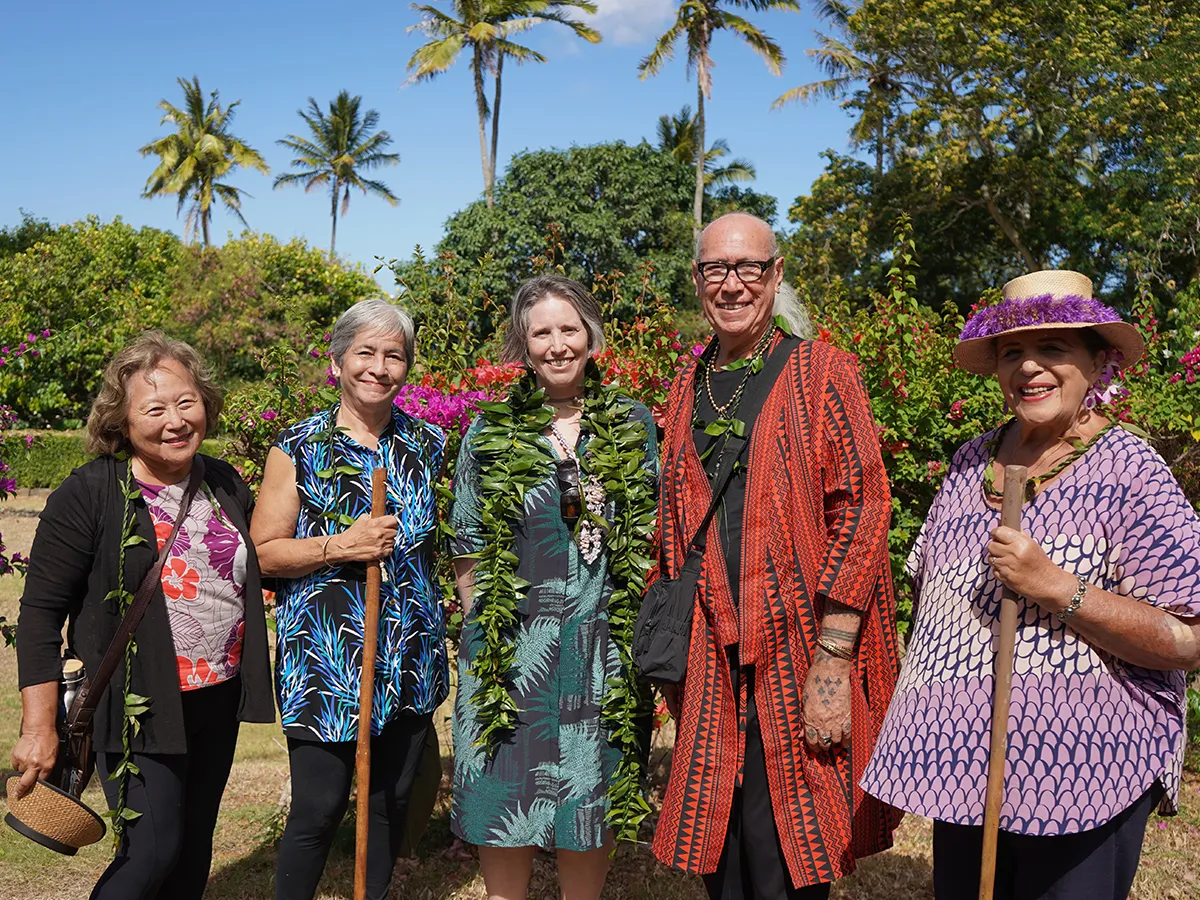
Throughout Hawai‘i, kūpuna are elders and ancestors who embody invaluable ‘ike (knowledge) and wisdom. This knowledge, passed down through generations, includes traditional ecological understanding, sustainable practices, historical accounts, and cultural values that guide a thriving way of life within the ahupua‘a.
At HIMB, the wisdom of He‘eia kūpuna is central to shaping research and conservation efforts. Their ‘ike kūpuna (ancestral knowledge) informs place-based education, guides culturally appropriate research, and ensures that contemporary scientific endeavors are deeply connected to the traditional stewardship of land and sea, fostering a holistic approach to understanding and protecting these ecosystems.
Our Kuleana
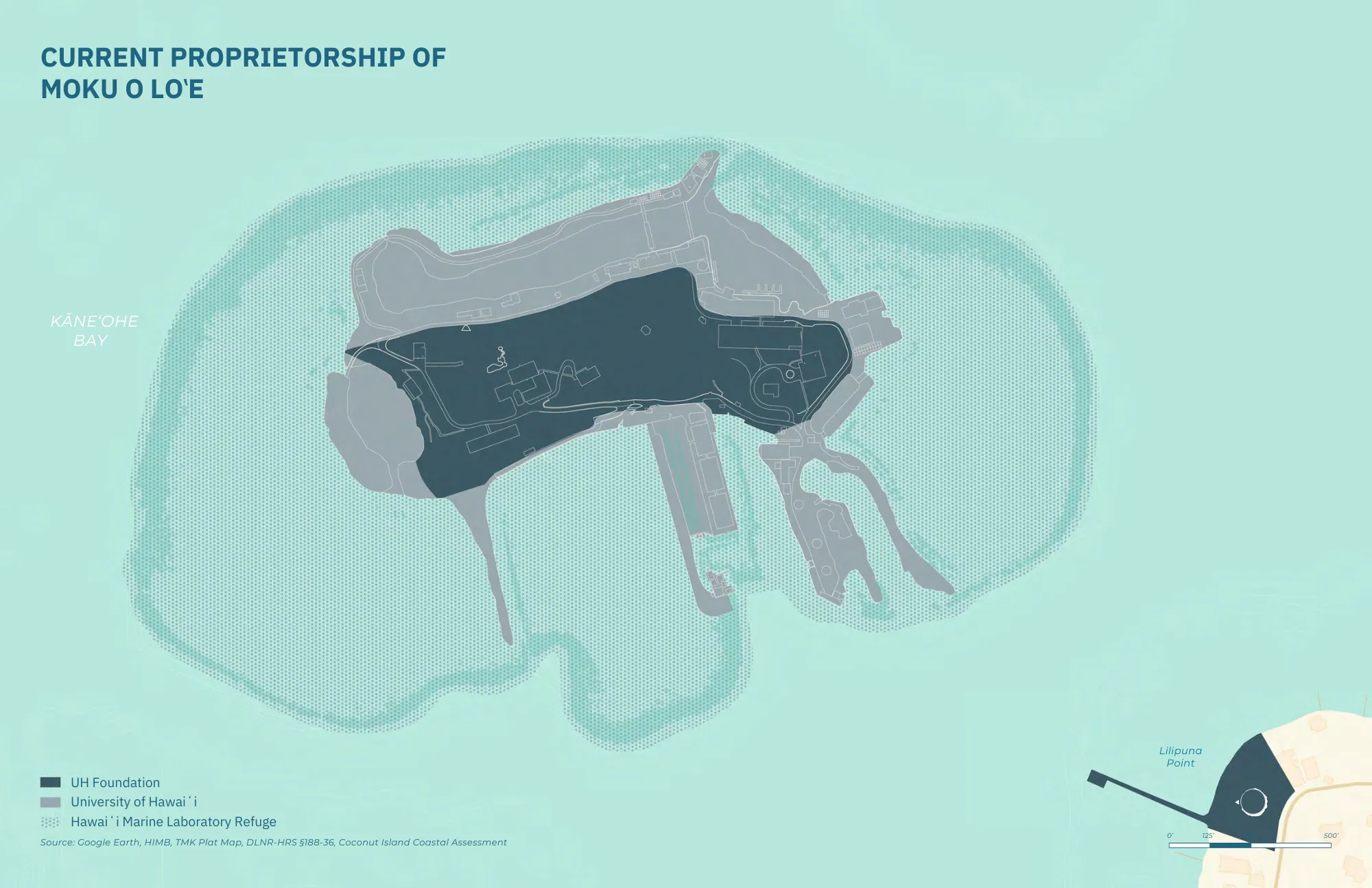
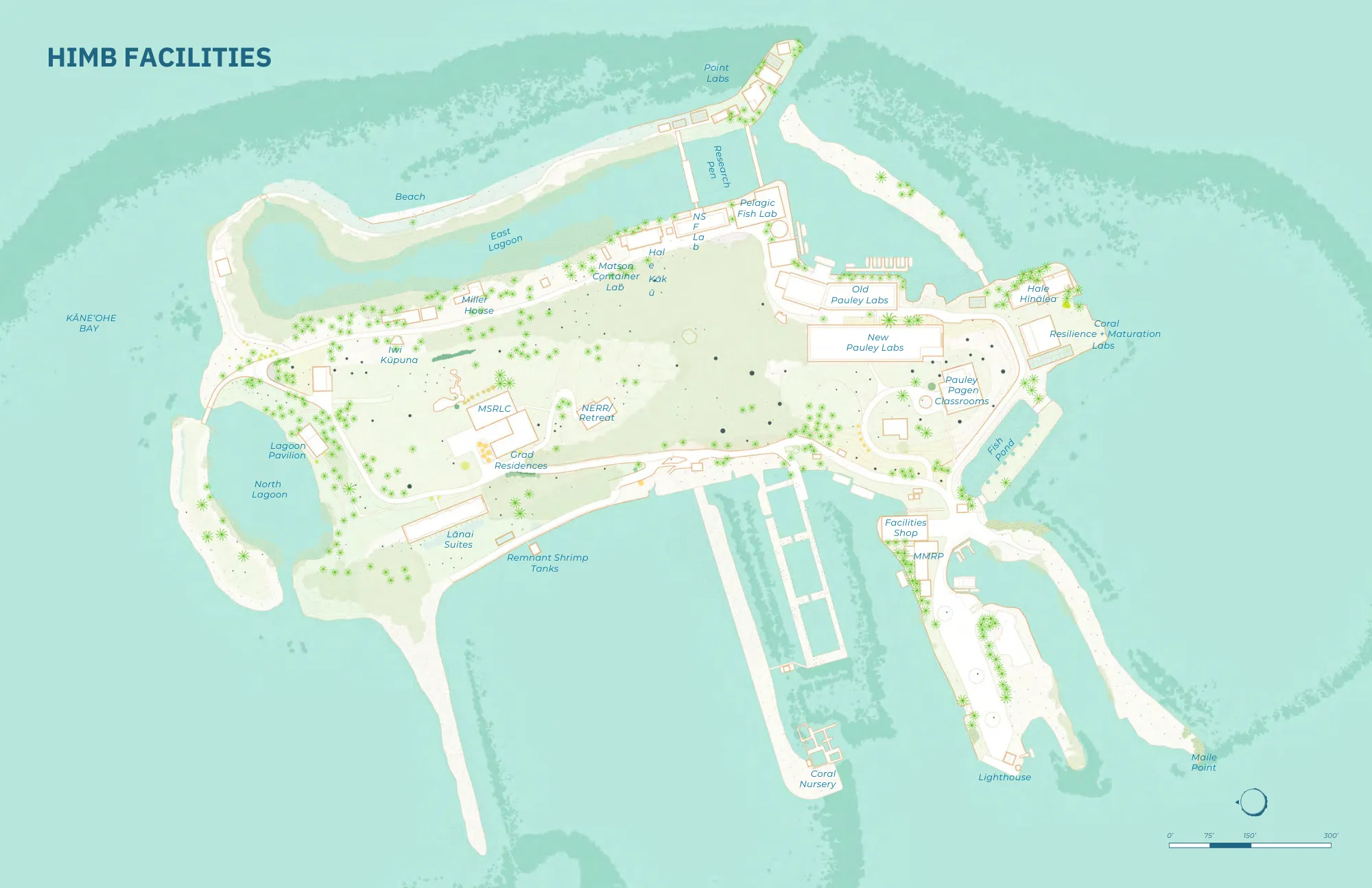
Pono stewardship (responsible care for land, people, and resources) is paramount at HIMB. With the guidance of lineal descendants and long-term caretakers of the place, HIMB co-stewards Moku o Lo‘e, an island in the ahupua‘a of He‘eia, among the living coral reefs of Kāne‘ohe Bay. HIMB advances a shared mission of understanding and conserving the world’s oceans, connecting research excellence with transformative education and community engagement for the benefit of Hawai‘i, the Pacific Islands, and the world.
Explore Moku o Lo‘e
Moku o Lo‘e is located on Windward O‘ahu, in the ahupua‘a of He‘eia.

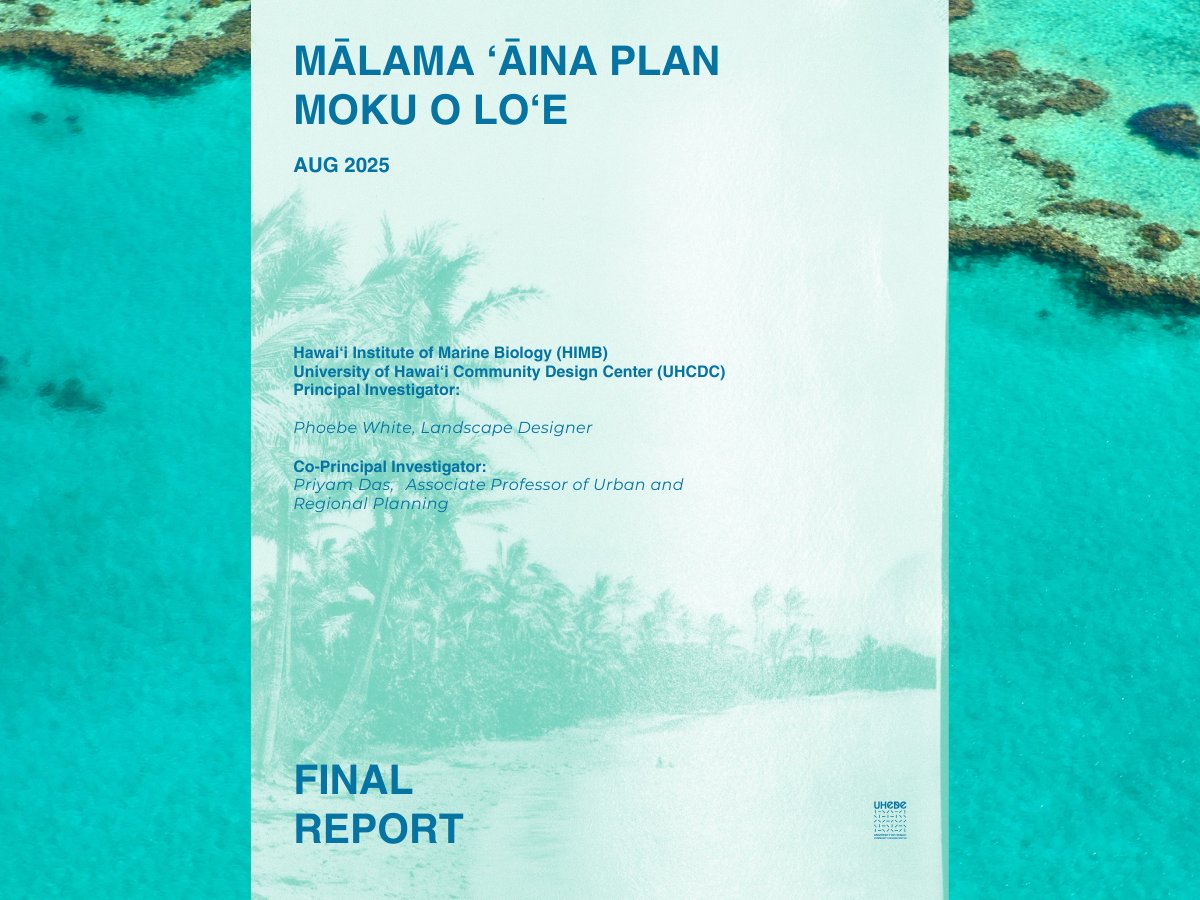
Mālama ‘Āina Plan For Island Stewardship
In a newly unveiled initiative, HIMB and trusted collaborators have charted a framework for pono stewardship and climate adaptation in a Mālama ‘Āina Plan for Moku o Lo‘e. Recognizing the island's deep cultural significance and ecological richness, the plan balances the ecological integrity of the island, the cultural and spiritual needs of the community, and the functions of the research institute. This forward-thinking approach also addresses the urgent challenge of sea level rise, and can serve as a model of adaptation and stewardship to inspire the University of Hawai‘i (UH) system, the island of O‘ahu, and beyond.
Support the next wave of marine science
Our research is advancing and evolving to meet the needs of our changing world. We invite you to join us in curiosity, discovery, learning, and stewardship.